
.png)
.png)
Con Dao Special Zone Planning – Vision 2045
Con Dao has been incorporated into the adjusted master development plan through 2045 with the vision of becoming a national, regional, and international center for cultural–historical–ecological–spiritual tourism, while preserving its primary forest ecosystem, marine landscapes, and wetlands.
.png)
.png)
Under this plan, the conservation zones include the main island, small beaches, and several satellite islands under strict protection, while the development zones for tourism and urban resorts are concentrated in central Con Son, the historical prison relics, redeveloped residential areas, and new resorts.
The Con Dao management and development plan recently won the Special Prize at the 2024 National Urban Planning Awards for its modern solutions that respect both nature and history, emphasizing landscape preservation, water surfaces, seaside squares, green spaces, reduced concrete use, and the maintenance of open spaces. Infrastructure planning goes hand in hand with conservation; special mechanisms and policies—including investment incentives, historic site and environmental management incentives, and preferential conditions for attracting high-quality human resources—are considered essential to realize the vision.
Green Tourism – Historical and Natural Heritage
Con Dao’s historical and spiritual sites such as the Con Dao Prison, Hang Duong Cemetery, and Phi Yen Temple, along with its pristine natural landscapes including the National Park, coral reefs, and primary forests, form the foundation for high-quality green tourism.
.png)
.png)
Annual cultural and spiritual festivals are organized on a larger scale, paired with art performances, cuisine, and local specialties to enhance visitor experience. Environmental management is prioritized with models reducing single-use plastics, systematic collection of tourism waste, and coordinated wastewater treatment and drainage planning. Local fishing communities, homestay owners, and eco-guides are trained to preserve native values. The former Ba Ria – Vung Tau and new Ho Chi Minh City aim to welcome 1.0–1.2 million visitors annually by 2030 (about 40% international), with projections rising to 1.7–2.0 million by 2045 if infrastructure and tourism services are upgraded.
Aviation and Seaport Infrastructure – Expanding the East Sea Gateway
Con Dao Airport currently has a runway of about 1,800 meters, a passenger terminal, and basic services. Tourism demand has surged during peak seasons, with May–June 2025 seeing nearly 100,000 air passengers on more than 845 two-way flights an increase of about 9–10% year-on-year. The Government has tasked the Ministry of Transport with reviewing the master investment plan for Con Dao Airport to serve around 2 million passengers annually by 2030, including runway expansion, terminal upgrades, and possible land reclamation.
.png)
.png)
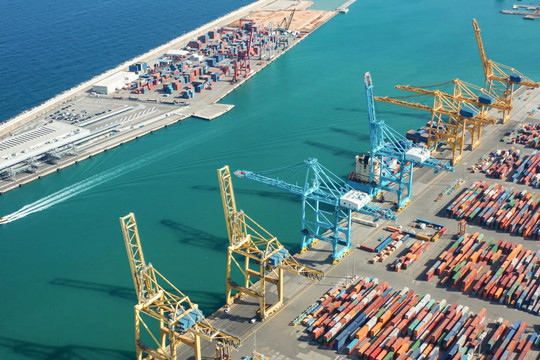
Alongside aviation, Ben Dam Seaport is set to be developed for both tourism and cargo, expanding waterway routes and partnering with high-speed ferry services connecting to Vung Tau, Ho Chi Minh City, and other coastal provinces. Inland waterway development aims to ease pressure on roads, particularly during peak tourist seasons, and to strengthen inter-island connections. The parallel development of airport and seaport infrastructure with green tourism planning will expand the East Sea gateway, enhancing international connectivity and ensuring regional security and defense.
Con Dao in the International Tourism Chain
Located about 230 km by sea from Ho Chi Minh City, the 16-island Con Dao archipelago covers about 76 km², giving it a strategic position along the East Sea corridor. Its geography makes it ideal to become an international eco-island tourism hub linked with Southeast Asian routes. International airlines and travel agencies have begun including Con Dao in itineraries from South Korea, Japan, Australia, and Europe, thanks to airport upgrades and improved service standards.
International tourists are drawn not just by its beaches, coral reefs, and scenery, but also by deep cultural, historical, and spiritual experiences promoting a more sustainable form of tourism. By linking with other island destinations such as Phu Quoc, Cu Lao Cham, and Bali, Con Dao can collaborate in global promotions and develop multi-destination packages to extend visitor stays and spending.
High-end services including premium resorts, low-rise beachfront villas, eco-homestays, island spas, and cultural tourism products like cuisine and traditional festivals can generate significant added value. Ports and inland waterways, with docking facilities for cruise ships, will play a vital role in the tourism logistics chain facilitating both passenger and goods movement, thereby boosting spending and cultural exchange.
.png)
.png)
From a heroic island district with pristine nature, Con Dao has entered a new era as a special economic zone under Ho Chi Minh City. With a vision through 2045, it is laying the foundation to become an international eco-island tourism center. Green tourism development, heritage conservation, airport and seaport upgrades, and expanded international connections are the essential pillars. Once special policies, foreign investment incentives, and new administrative mechanisms are implemented synchronously, Con Dao will not only be a tourist destination but also a model of sustainable development—a place where urban expansion does not erase identity but reinforces it, where commerce, tourism, and culture converge to shape the international image of Ho Chi Minh City: global, distinctive, and green.
.jpg "How Supply Chains Survive: Red Sea Turbulence and a Parched Panama Canal?")


.png "Ho Chi Minh City: Ecological Agriculture, the Sustainable Foundation of a Mega-City")