
.png)
.png)
The global container shipping market is entering a new “compression” cycle as vessel supply surges while demand has yet to fully recover from the pandemic and ongoing geopolitical instability. However, this crisis may not be an end—it could serve as a strategic test, where shipping lines, ports, and supply chains that can adapt flexibly will find their way forward and emerge stronger.
New Ships Flood In, Demand Lags Behind
.png)
.png)
However, shipping demand hasn’t grown in tandem. Europe continues its slow growth, U.S. consumption hasn’t fully rebounded, and China—the “world’s factory”—is restructuring its manufacturing with a focus on domestic supply. The result: oversupplied shipping routes, steep freight rate drops, longer turnaround times, rising costs, and shrinking profits.
The oversupply isn’t simply a miscalculation. It stems from overly optimistic growth expectations, the green transition wave necessitating new fleets, and a risk-hedging trend that forces carriers to maintain more ships to handle disruptions.
Strategic Maneuvers: Big Players Think Long-Term
In response, major carriers are not panic-selling or halting investments. Instead, they are restructuring strategically: adjusting long-term contracts, breaking up voyages, deploying smaller vessels on niche routes, and most importantly, consolidating cargo from multiple sources to optimize load factors.
Some lines are even separating container routes from trans-Pacific lanes, collecting cargo at emerging transshipment hubs like Colombo (Sri Lanka), Tanger-Med (Morocco), or smaller East African ports for regional redistribution. This network-based approach replaces rigid, fixed-route operations.

Additionally, several major carriers are investing in AI-powered data platforms to forecast cargo flow trends early and adjust their fleet deployment monthly. The game now isn’t about fleet size—it’s about how efficiently each voyage is utilized.
New Routes: Momentum from South and East Asia
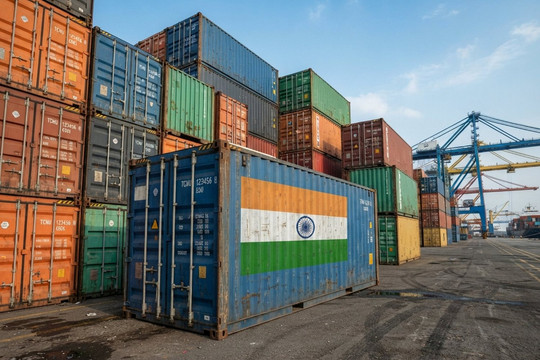
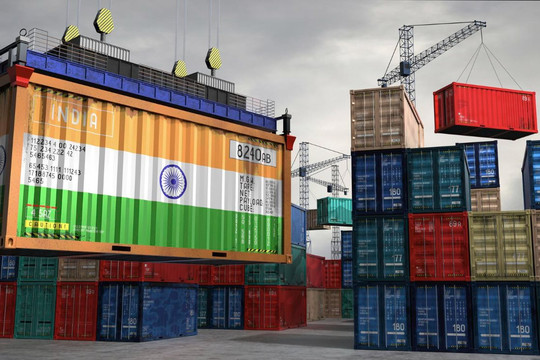
A rare bright spot comes from emerging routes: South Asia (India, Bangladesh), East Africa, and Southeast Asia are seeing a surge in manufacturing investment. This has reignited demand for container shipping from ports like Mumbai, Chattogram, Mombasa, and Hai Phong.
Many carriers are trialing direct connections between India–Vietnam–Japan, or from East Africa to China bypassing Singapore. These new routes not only cut transit times but also rebalance local supply-demand dynamics, easing capacity pressure on traditional transoceanic routes.
.png)
.png)
Adapt or Be Swept Away
In the current environment, no carrier or nation can “hide” from the oversupply wave. Empty sailings, voyage cancellations, or prolonged anchoring will likely persist at least through the end of 2025.
However, those entities capable of strategic flexibility—from fleet coordination, cargo streamlining, destination optimization, to operational data integration—will survive and emerge stronger when the market rebounds. This is a test of supply chain management capability, not just a basic supply-demand equation.
.png)
.png)
Container oversupply is no longer a distant worry—it’s a current reality demanding immediate response. Yet instead of panicked reactions, the global logistics industry is witnessing efforts to innovate operations, explore new routes, and invest in technological platforms.
.png)
.png)
.png "Maritime Pilots: Silent in Transition, Steady Amidst Transformation")
.png "Culture – People of Identity: The Root of the New Ho Chi Minh City Megacity")
.png "Vietnam’s Seaports: A New Race and a Quiet Shake-Up")



.jpg "Dien Bien, Yunnan and Luang Prabang: Expanding Regional Cooperation and Investment Opportunities")