
.png)
.png)
Amidst the sweeping transformation of the global maritime industry, maritime pilots—long regarded as the silent “navigators”—are now having to adapt to a series of new demands: larger ships, more complex technologies, heightened safety expectations, and especially, the pressures of green transition. While the logistics world speaks of automation, AI, and cold chains, at the bow of each ship, a silent force continues to steer the stability of millions of tons of cargo flowing in and out of Vietnam’s seaports.
Bigger Ships, Greater Responsibility
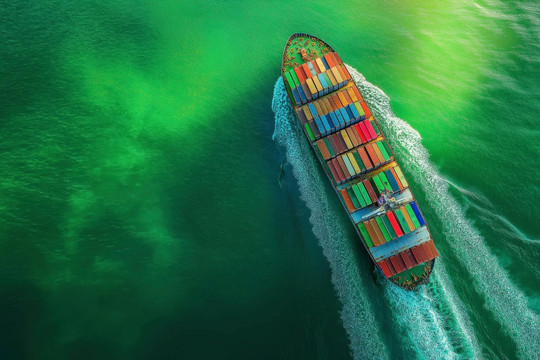
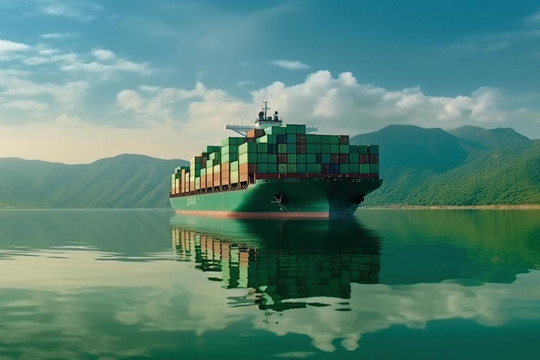
The increasing presence of mega-vessels on international shipping routes has pushed pilots to upgrade their navigational skills, guiding ships into port with minimal safety margins. Previously, pilots handled ships under 150 meters in length; now they regularly work with vessels up to 400 meters long, carrying over 20,000 TEUs—multiplying the complexity of coordination in challenging hydrological conditions.
.png)
.png)
Green Transition: A Silent but Powerful Pressure
One deeply influential but less discussed trend is the rising demand for “green piloting.” This involves more than handling ships powered by new fuels (LNG, methanol, etc.); it includes emissions control, route optimization to reduce energy consumption, and precise timing coordination to avoid anchorage delays.
In increasingly erratic weather and tidal patterns driven by climate change, pilots must balance energy efficiency with safety—no easy feat. Moreover, ships using new fuels operate differently, requiring specialized knowledge and adaptive handling skills—something not all training institutions currently provide.
Retention: A Matter of Survival for Piloting
.png)
.png)
Without attractive benefits and clear career development paths, this profession—which requires decades of accumulated experience—faces an imbalance in workforce supply. Some experts suggest formally recognizing pilots as a specialized force in the maritime sector, with dedicated training, professional insurance, and psychological support policies.
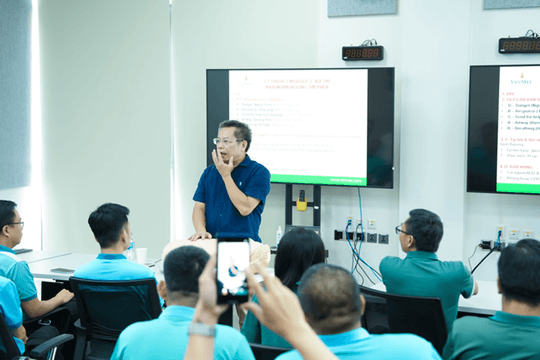
Simultaneously, training models must evolve: from apprenticeship-based instruction to modern simulation training; from teaching procedures to honing skills in analysis, forecasting, and emergency decision-making.
Next-Gen Pilots: From Ship Guide to Safety Manager
The transformation of global logistics requires pilots to be more than experts in nautical charts or sea conditions—they must become a risk management link in the entire operational chain. They not only guide ships, but also manage berthing schedules, support vessel flow optimization, and coordinate in real-time with port authorities and logistics enterprises.
Some pioneering units are trialing “coordinating pilot” models, where pilots are involved in port management processes, updating environmental and operational parameters via integrated software. They are likened to “dynamic safety engineers”—working in complex field environments, but thinking like supply chain analysts.
.png)
.png)
Whether it’s digital transformation, green transition, or business model reform—each requires a resilient, adaptive, and rightfully recognized piloting force. They are the bridge between the maritime sector’s legacy of experience and its technological future.
.png)
.png)
.png "Culture – People of Identity: The Root of the New Ho Chi Minh City Megacity")
.png "Vietnam’s Seaports: A New Race and a Quiet Shake-Up")


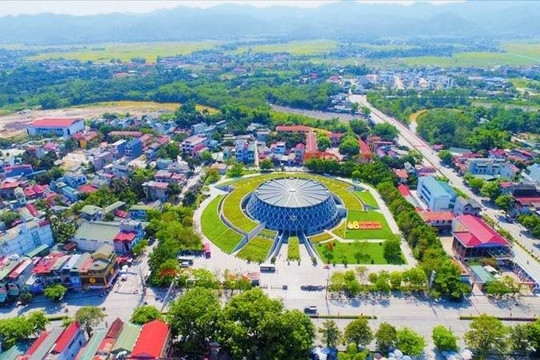
.png "Dien Bien builds investment value chains to power its next growth chapter")

.jpg "Dien Bien, Yunnan and Luang Prabang: Expanding Regional Cooperation and Investment Opportunities")