
Formation and development of new alliances
Starting from February 2025, the structure of shipping alliances will undergo substantial transformations:
- Gemini Cooperation, established by Maersk (Denmark) and Hapag-Lloyd (Germany), will operate approximately 350 vessels with a total capacity of 4 million TEUs, focusing on major trade routes such as Asia–Europe, Trans-Pacific, and Trans-Atlantic.
- Premier Alliance, comprising HMM (South Korea), ONE (Japan), and Yang Ming (Taiwan), will manage around 240 vessels with a total capacity of 3.3 million TEUs, primarily operating on Asia–Europe, Trans-Pacific, and Asia–Middle East routes.
- Ocean Alliance will maintain its existing structure with members CMA CGM, COSCO, Evergreen, and OOCL. The alliance has extended its operational agreement until 2032, with a total capacity of approximately 6 million TEUs.
This restructuring not only alters organizational structures but also reflects the strategic direction of shipping companies in optimizing operations and meeting market demands. It also impacts freight rates, route accessibility, and the flexibility of global supply chains.
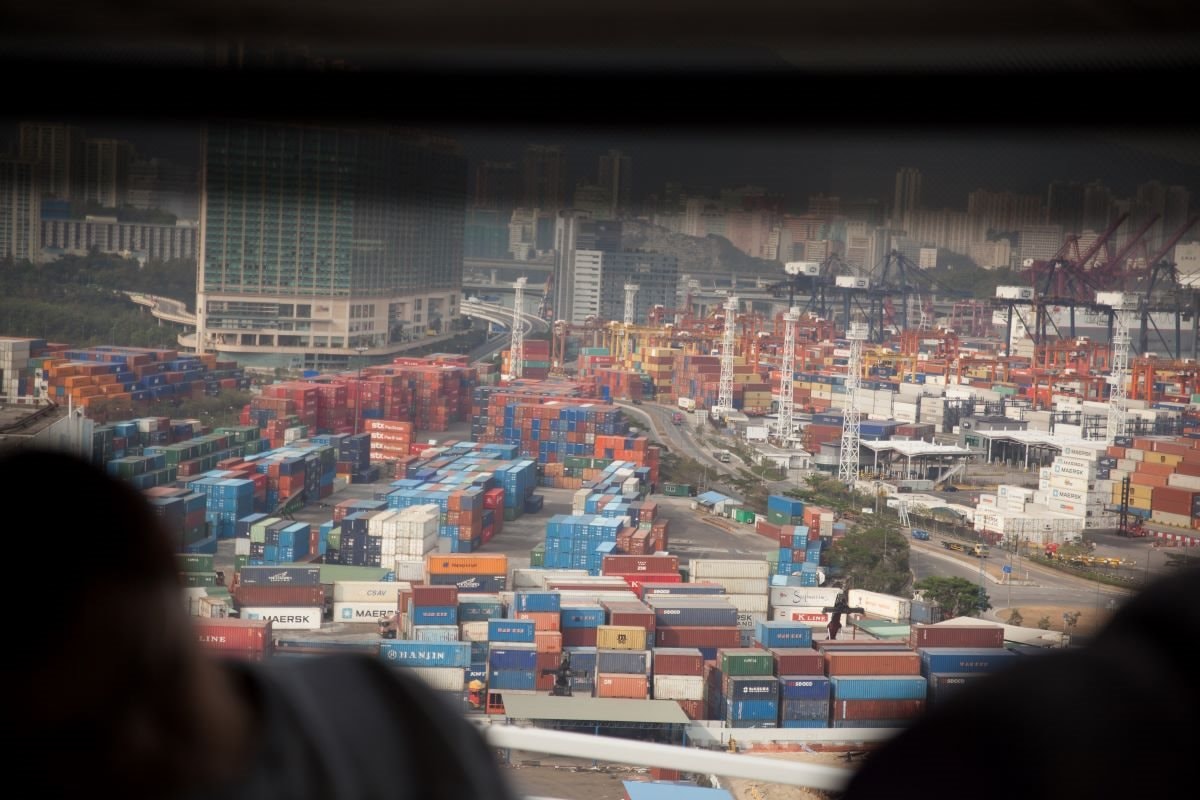
Global events affecting the shipping industry
Geopolitical fluctuations and global events continue to exert a profound impact on the shipping industry:
- Red Sea and Suez Canal situation: At the end of 2023, Houthi attacks in Yemen forced many shipping lines to reroute via the Cape of Good Hope, extending transit times and increasing costs. However, as regional conflicts subside, shipping lines are considering a return to the Suez route, which could lead to freight rate reductions of up to 70%.
- Investment in shipping capacity: In 2024, there was a significant increase in new ship orders, with a total investment value reaching USD 220.52 billion, a 6.5% rise compared to the previous year. This trend highlights the modernization and expansion of fleets to accommodate growing global trade demands.
These disruptions pose challenges for shipping lines in maintaining operational efficiency and meeting customer needs. If geopolitical issues are resolved, maritime routes may return to normal, reducing pressure on freight rates and transit times.
Impact on the Vietnamese market
Vietnam, with its strategic location in the global supply chain, will experience direct impacts from these changes:
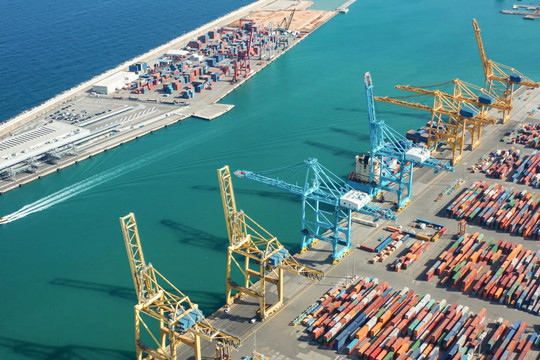
- Cai Mep - Thi Vai Port, benefiting from its deep-water advantages, may attract larger vessels from the Asia–Europe routes operated by Gemini Cooperation and Ocean Alliance. However, infrastructure upgrades will be necessary to compete with regional hubs like Port Klang (Malaysia) and Singapore.
- Hai Phong Port may face challenges in maintaining cargo throughput if alliances prioritize regional transshipment hubs. Enhancing handling capacity and logistics connectivity will be crucial for sustaining and attracting business.
Furthermore, changes in alliances could lead to adjustments in shipping routes, affecting container volume in Vietnam. Ports must prepare for these shifts by improving management capabilities, expanding services, and strengthening partnerships with international shipping companies.
Response strategies and sustainable development
To capitalize on opportunities and mitigate risks from this restructuring, Vietnamese businesses and ports should:
- Invest in infrastructure: Upgrade berths, equipment, and management systems to meet the requirements of major shipping lines and new alliances.
- Enhance logistics connectivity: Develop value-added services such as warehousing, domestic transportation, and customs services to create a competitive edge.
- Foster international cooperation: Establish partnerships with shipping lines and alliances to ensure stable cargo flows and expand customer networks.
- Develop human resources: Train and upskill personnel in port management and logistics to meet international standards.
Implementing these strategies will enable Vietnamese businesses and ports to strengthen their competitiveness and achieve sustainable growth amid the evolving global shipping landscape.

Conclusion
The restructuring of shipping alliances in 2025 is not merely an organizational shift but a reflection of strategic adjustments in the global shipping industry. These changes will have extensive implications for shippers, logistics enterprises, and nations reliant on import-export activities, including Vietnam.
The formation of new alliances will reshape market dynamics, influencing freight rates, route options, and competitive pressures among major shipping lines. Additionally, geopolitical factors, particularly developments in the Red Sea, Suez Canal, and global trade policies, will continue to impact supply chains.
For Vietnam, this transition presents opportunities to develop deep-water ports such as Cai Mep - Thi Vai, enhance logistics capabilities, and integrate more deeply into global supply chains. However, significant challenges remain, including competition from regional transshipment hubs and the need for infrastructure modernization.
Logistics companies and shippers must proactively adapt by closely monitoring market trends, optimizing supply chains, and investing in modern technology to enhance operational efficiency. Collaboration with shipping lines, alliances, and the adoption of intelligent logistics strategies will enable Vietnam to not only navigate challenges but also seize opportunities for sustainable growth in this new era.



.jpg "Science and Technology: The Key to Vietnam's Economic Development Breakthrough")

.jpg "Logistics Strategy 2025: 10 Breakthrough Steps")