

The Demand for High-Quality Human Resources in Logistics
According to a report from Inbound Logistics, in 2024, the global logistics industry faces a shortage of approximately 60,000 skilled workers, particularly in fields such as supply chain management, transportation, and warehousing. Vietnam is no exception, with businesses frequently struggling to recruit and retain qualified personnel.
The primary reason lies in the gap between training programs and actual business needs. Many educational institutions have not kept up with emerging trends, resulting in graduates lacking practical skills and the ability to adapt to modern work environments.
Essential Skills and Training Programs
To meet industry demands, training programs need to focus on developing several key competencies.
Firstly, comprehensive supply chain management skills are crucial. Students must be equipped with knowledge of operations from procurement and production to distribution, ensuring efficiency and cost optimization.
Secondly, proficiency in logistics management software is indispensable. Familiarity with tools such as Warehouse Management Systems (WMS) and Transportation Management Systems (TMS) enables students to adapt easily to real-world work settings.
Thirdly, data analysis and data-driven decision-making skills are vital in the current era of digitalization. Students should be trained to collect, process, and analyze data to support supply chain decision-making.
Fourthly, effective communication and teamwork skills are essential for collaboration across departments and with supply chain partners. Students must practice clear communication, active listening, and cooperation to achieve shared goals.
Several universities and training centers in Vietnam have begun offering specialized logistics programs, combining theory and practice to equip students with the necessary skills to meet labor market demands.
Businesses Investing in Workforce Development
Many companies have recognized the importance of workforce development. They not only organize internal training programs but also collaborate with training institutions to design curricula aligned with real-world needs.
Investing in workforce development not only improves productivity but also creates sustainable competitive advantages in the dynamic logistics industry.
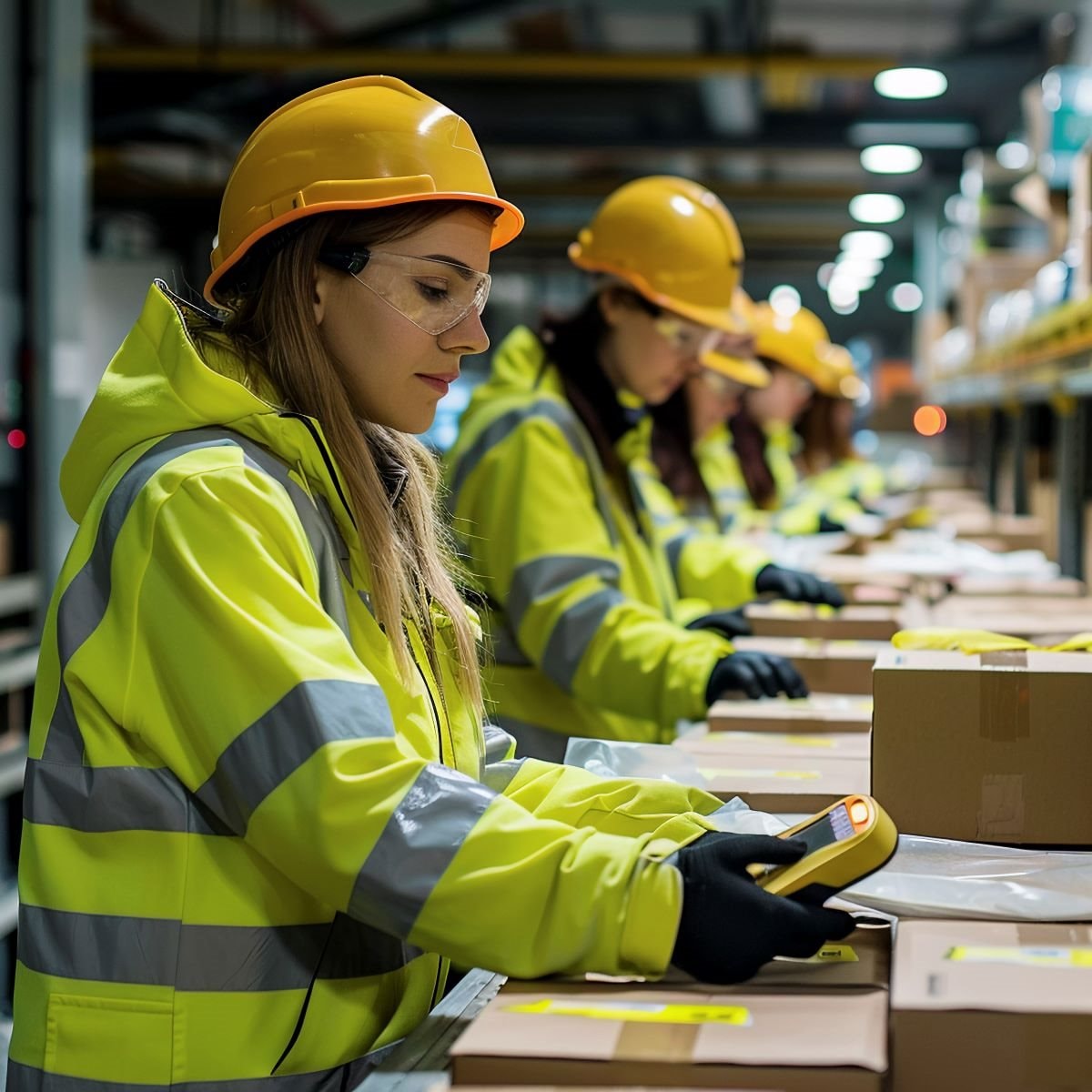
For instance, XYZ Company has launched continuous training programs for employees, focusing on enhancing both technical and soft skills. As a result, the company's employee retention rate has significantly improved, and productivity has also increased notably.
Additionally, some companies invest in building career development pathways for their staff, allowing them to advance and grow personally. This approach not only improves retention but also motivates long-term commitment.
Strategies for Attracting and Retaining Talent
An effective HR strategy must combine a positive corporate culture with clear career development paths.
To attract and retain talent, businesses should create a positive work environment, offer professional development opportunities, and provide competitive compensation packages. Furthermore, encouraging employees to participate in advanced training and apply new knowledge at work is key.
According to Inbound Logistics, companies that succeed in retaining talent often have a strong organizational culture that values individual contributions and fosters holistic employee development.
Additionally, flexible policies such as remote work, flexible hours, and support for work-life balance help create attractive work environments, enabling companies to retain top talent effectively.
Developing human resources in the logistics sector is not only the responsibility of educational institutions but also of businesses and society as a whole. Investing in people brings long-term benefits, enabling the logistics industry to grow sustainably and meet future challenges.
According to Inbound Logistics, companies that are successful in retaining employees often have a strong organizational culture, value individual contributions, and create opportunities for comprehensive employee development.
As stated by Jeffery Benore, President and CEO of Benore Logistic Systems: “The future of the supply chain is localization. Businesses must invest in local human resources to strengthen reliability and control.”



.jpg "Mrs. Tran Lam – Secretary General of Guangzhou Logistics Profession Association (GZLPA):
Vietnam–China Logistics Cooperation on the Rise")
.jpg "Dien Bien, Yunnan and Luang Prabang: Expanding Regional Cooperation and Investment Opportunities")