
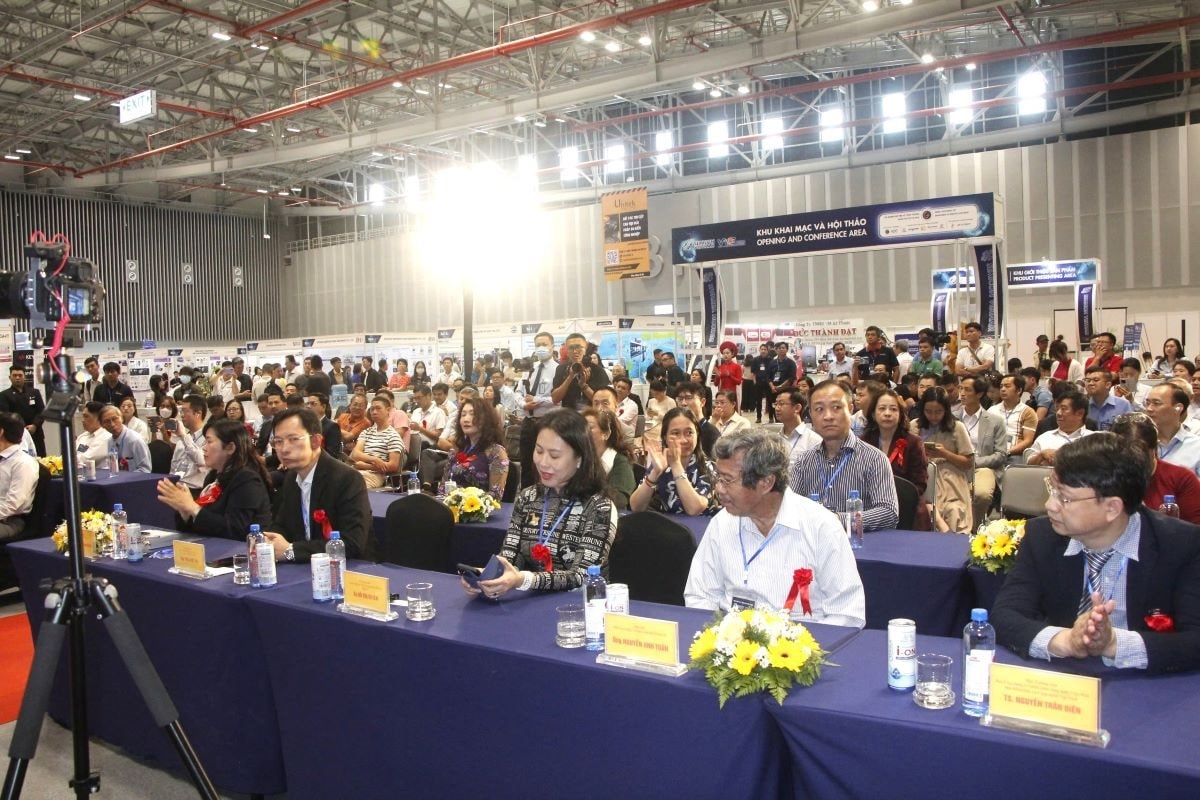
Vietnam International Semiconductor Exhibition 2024: Boosting High-Tech Ecosystems and Development Opportunities
By Van Tam|01/11/2024 10:59
(VLR) The Vietnam International Semiconductor Exhibition 2024, along with the Vietnam International Optoelectronics Exhibition, will be held from October 31 to November 2, 2024, at the Saigon Exhibition and Convention Center (SECC), Ho Chi Minh City. This important event offers a unique platform for businesses and research institutes in the semiconductor and high-tech sectors to collaborate, exchange insights, and work toward building a robust technology ecosystem in Vietnam.
The Vietnam International Semiconductor Exhibition 2024 is organized to develop a comprehensive ecosystem for the high-tech industry, particularly in the field of semiconductors
Moving Towards a High-Tech Ecosystem in Vietnam
With approval from the People’s Committee of Ho Chi Minh City, the Vietnam International Semiconductor Exhibition 2024 aims to develop a comprehensive ecosystem for the high-tech industry, particularly within semiconductors. Featuring around 150 booths, the exhibition will showcase a wide range of advanced products and technologies, from educational software, chip design, automation, artificial intelligence (AI), to optoelectronic devices.
This ecosystem includes educational institutions, research centers, logistics providers, finance, and industry support organizations to create a solid foundation for Vietnam’s semiconductor sector. The exhibition also opens opportunities for local and international companies and research organizations to connect, fostering high-tech collaboration and investment.
Key Topics at the Exhibition
This year’s exhibition will highlight essential topics to support the sustainable development of the semiconductor industry:
Regulatory Changes and Safety Standards: Amid growing security demands, the exhibition will feature updates on new safety regulations and data security standards to ensure robust semiconductor production processes.
New Technologies and Best Practices: Solutions in automation, AI, and blockchain not only enhance transparency but also reduce costs and improve efficiency for the semiconductor sector. The exhibition will share advanced methods and technologies that empower Vietnamese semiconductor firms to compete more effectively in international markets.
Human Resource Development: The exhibition dedicates space to developing and connecting skilled talent for the semiconductor industry to meet the high demands of global supply chains. Panel discussions and seminars will introduce initiatives and solutions for high-quality workforce training, further promoting the domestic semiconductor industry.
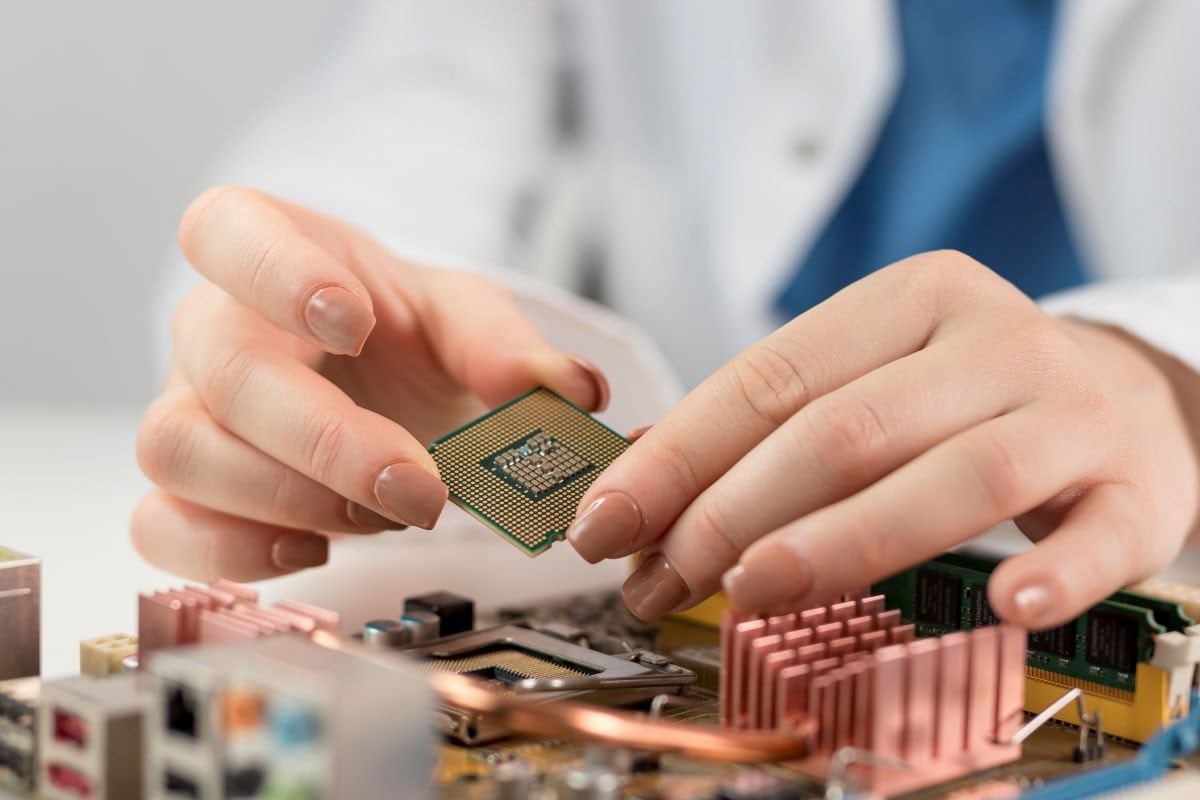
This year's exhibition will focus on essential topics to support the development and sustainability of the semiconductor industry
Supporting Domestic Semiconductor Industry Growth
As the semiconductor industry surges globally, numerous companies, both domestic and international, are investing in Vietnam with the goal of establishing production facilities and research centers. Some prominent companies, such as Intel, Samsung, Hana Micron Vina, Amkor Technology, and Infineon Technologies, have made significant investments in the Vietnamese market, creating thousands of jobs and contributing to the growth of Vietnam’s semiconductor ecosystem.
Intel Vietnam: Having established operations in 2006 and invested an additional USD 475 million in 2021, Intel is now one of the largest investors in the Ho Chi Minh City High-Tech Park. To date, Intel has created over 6,500 jobs and achieved an export value of USD 82 billion.
Samsung Vietnam: With its factory in Thai Nguyen, Samsung has entered the global semiconductor supply chain, particularly in semiconductor components. Samsung’s factory is expected to play a significant role in supplying components for electronic products worldwide.
Hana Micron Vina and Amkor Technology: With facilities in Bac Giang and Bac Ninh, these companies are developing a semiconductor ecosystem in Vietnam, positioning the country as a key player in the Asian semiconductor supply chain.
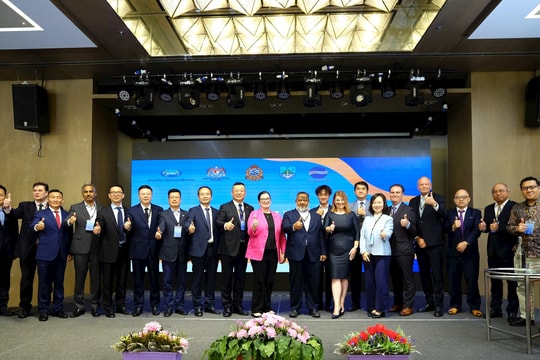
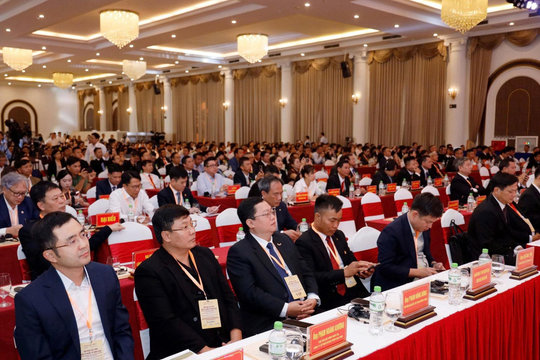
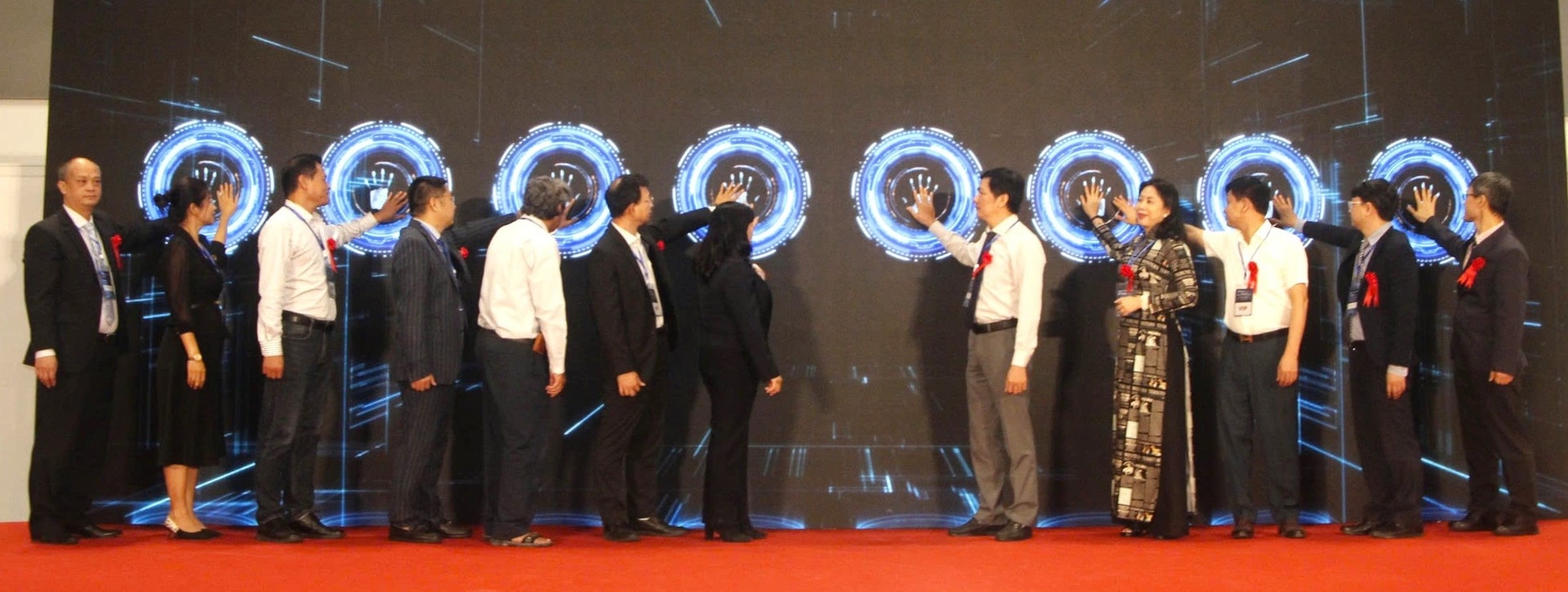
This is an important event that offers opportunities for collaboration and knowledge exchange for businesses and research institutes in the semiconductor and high-tech sectors, contributing to the development of a technology ecosystem in Vietnam
Events and Activities at the Exhibition
The Vietnam International Semiconductor Exhibition 2024 is not only a product showcase but also a host of various activities that foster cooperation and connections within the industry. Key highlights include:
Themed Exhibit Areas: Showcasing the achievements and standout products in semiconductor design, testing, and production support technologies.
Business Connection and Talent Development Space: Specially designated areas for businesses and research organizations to network, seek talent, and collaborate on workforce development and training with industry partners.
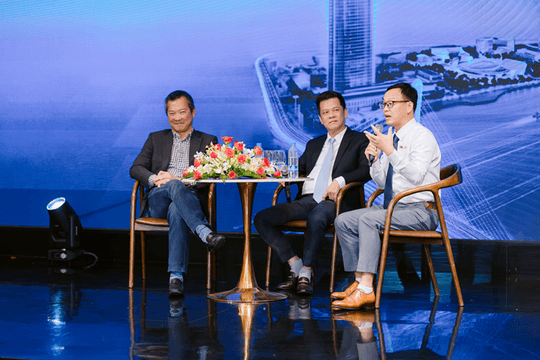
Investment Promotion Forums and Workshops: Topics such as “Promoting Investment Opportunities in Ho Chi Minh City’s Semiconductor Industry” and “Establishing a Semiconductor Ecosystem” will guide sustainable development strategies and encourage investment in Vietnam’s semiconductor sector.
Business Networking Program: An automated business matchmaking software will enable participants to easily find partners from a database of thousands of Vietnamese companies.
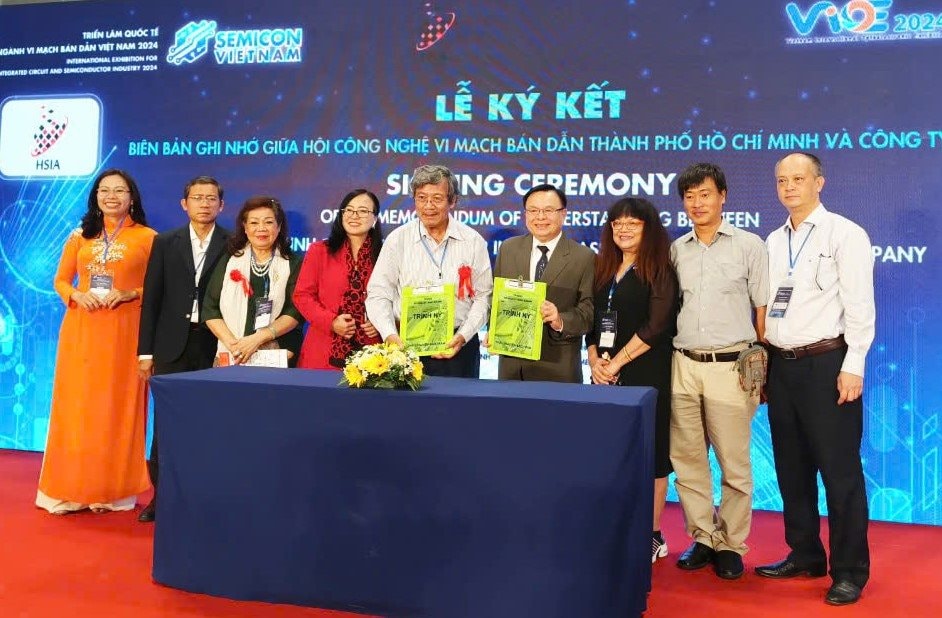
Amid the booming global semiconductor industry, many domestic and international companies are investing in Vietnam with the goal of establishing production facilities and research centers
The Vietnam International Semiconductor Exhibition 2024 not only offers a platform for networking and learning but also opens vast opportunities for Vietnam’s semiconductor industry to join the global value chain. Embracing digitalization and adhering to international standards strengthens the competitiveness of domestic companies, contributing to sustainable economic growth. In an increasingly globalized world with rising demands for advanced technology, Vietnam has a significant opportunity to become a hub for semiconductor production and research, driving forward the Fourth Industrial Revolution.
This event promises to bring extensive international collaboration, helping Vietnam realize its potential and address the challenges and demands of the semiconductor industry both regionally and globally.
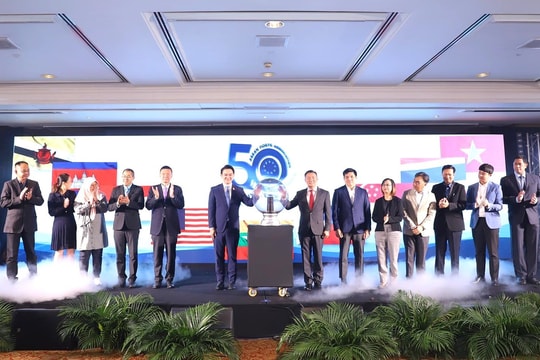
(VLR) From October 29 to 31, the ASEAN Ports Association (APA) celebrated its 50th anniversary and held its 48th Annual Meeting in Bangkok, Thailand. The event brought together leaders from Thailand's Ministry of Transport, APA member ports across ASEAN, and international partners. This milestone offered an opportunity to reflect on APA’s half-century journey, recognizing its achievements in building a sustainable and interconnected port network throughout Southeast Asia.
Bình luận của bạn đã được gửi và sẽ hiển thị sau khi được duyệt bởi ban biên tập.
Ban biên tập giữ quyền biên tập nội dung bình luận để phù hợp với qui định nội dung của Báo.
For many Vietnamese companies, logistics has long meant transport, warehousing and customs procedures. Yet as global supply chains grow more complex, another layer of “invisible logistics” is proving critical: cash flow.
For years, discussions about logistics development in Vietnam have revolved around highways, seaports, warehouses and container yards. But as digital transformation accelerates, another layer of infrastructure is emerging: data and shared information platforms.
The boom in electric vehicles (EVs) and energy storage is driving an unprecedented wave of batteries moving across oceans, skies and highways. The IEA projects that global EV battery demand could more than triple to over 3 TWh by 2030, up from about 1 TWh in 2024.
Vietnam’s pledge to achieve net-zero emissions by 2050 has put every sector of the economy under a new kind of spotlight. Logistics – with its heavy reliance on fossil fuels and energy-intensive infrastructure – is one of the first fields to be called out.
The rapid rise of e-commerce has brought with it another, equally powerful wave: cross-border online trade. With a single storefront on a global platform, a small business in Binh Duong, Bac Ninh or An Giang can sell directly to buyers in the US, EU, Japan or the Middle East.
Over the past decade, logistics has become a backbone of Vietnam’s trade, consistently growing faster than GDP. Port clusters, industrial zones, logistics centres and booming e-commerce have created surging demand for labour at every level, from warehouse workers to supply chain strategists.
Trong nhiều năm, khi nhắc đến logistics, phần lớn doanh nghiệp Việt Nam nghĩ đến vận tải, kho bãi, thủ tục hải quan. Nhưng cùng với sự phức tạp của chuỗi cung ứng toàn cầu, một “lớp logistics vô hình” ngày càng bộc lộ vai trò sống còn: dòng tiền.
Trong nhiều năm, khi nhắc đến phát triển logistics, người ta thường nói đến đường cao tốc, cảng biển, kho bãi, bến bãi container. Nhưng cùng với làn sóng chuyển đổi số, một lớp “hạ tầng mềm” khác đang nổi lên: dữ liệu và nền tảng chia sẻ thông tin.
Sự bùng nổ xe điện (EV) và lưu trữ năng lượng đang kéo theo một “làn sóng pin” khổng lồ di chuyển trên biển, trên không và trên bộ. Theo IEA, nhu cầu pin cho EV có thể tăng hơn gấp ba lần, vượt 3 TWh vào năm 2030 so với khoảng 1 TWh năm 2024. Cùng lúc, nhiều nghiên cứu dự báo nhu cầu lithium - kim loại lõi của pin - sẽ tăng gấp bốn lần vào năm 2030, với phần lớn sản lượng dành cho xe điện.
VinFast vừa công bố đã bán ra thị trường Việt Nam tổng cộng 406.453 xe máy điện các loại trong năm 2025, chính thức đạt thị phần số một Việt Nam ở mảng xe máy điện.
Công ty Cổ phần Hàng tiêu dùng Masan (HOSE: MCH, “Công ty” hay “Masan Consumer”) hôm nay công bố báo cáo tài chính chưa kiểm toán quý 4 năm 2025 ("Q4/2025", “Q4”) và năm 2025 (“FY2025”).
Trong nhiều năm, khi nhắc đến phát triển logistics, người ta thường nói đến đường cao tốc, cảng biển, kho bãi, bến bãi container. Nhưng cùng với làn sóng chuyển đổi số, một lớp “hạ tầng mềm” khác đang nổi lên: dữ liệu và nền tảng chia sẻ thông tin.
Đồng Nai đang chứng kiến sự chuyển dịch mạnh mẽ về dòng vốn đầu tư với các yêu cầu ngày càng cao về công nghệ và môi trường. Thực tế này thúc đẩy thị trường bất động sản công nghiệp phải nhanh chóng thích nghi và phát triển các mô hình nhà xưởng xây sẵn đạt chuẩn xanh và bền vững.
The boom in electric vehicles (EVs) and energy storage is driving an unprecedented wave of batteries moving across oceans, skies and highways. The IEA projects that global EV battery demand could more than triple to over 3 TWh by 2030, up from about 1 TWh in 2024.
Sự bùng nổ xe điện (EV) và lưu trữ năng lượng đang kéo theo một “làn sóng pin” khổng lồ di chuyển trên biển, trên không và trên bộ. Theo IEA, nhu cầu pin cho EV có thể tăng hơn gấp ba lần, vượt 3 TWh vào năm 2030 so với khoảng 1 TWh năm 2024. Cùng lúc, nhiều nghiên cứu dự báo nhu cầu lithium - kim loại lõi của pin - sẽ tăng gấp bốn lần vào năm 2030, với phần lớn sản lượng dành cho xe điện.
Việt Nam đã đưa ra cam kết mạnh mẽ tại các diễn đàn quốc tế về mục tiêu phát thải ròng bằng “0” (Net Zero) vào năm 2050. Trong bức tranh chung ấy, logistics -ngành chiếm tỉ trọng lớn trong tiêu thụ nhiên liệu hóa thạch và phát thải CO₂ - không thể đứng ngoài cuộc.
Gần 70 năm qua, Công ty Cổ phần Cấp nước Nghệ An đã không ngừng phát triển, cải tiến công nghệ và mở rộng mạng lưới cấp nước để đáp ứng nhu cầu dùng nước sạch của người dân trên địa bàn tỉnh.
Sự bùng nổ thương mại điện tử đã kéo theo một “làn sóng ngầm” khác không kém phần sôi động: thương mại điện tử xuyên biên giới. Chỉ với một gian hàng trên nền tảng quốc tế, một doanh nghiệp vừa và nhỏ ở Bình Dương, Bắc Ninh hay An Giang có thể bán hàng trực tiếp cho người mua tại Mỹ, EU, Nhật Bản, Trung Đông.
Bước sang năm 2026, bất động sản công nghiệp Việt Nam đang đứng trước một bước chuyển mang tính cấu trúc, trong đó hạ tầng không chỉ đóng vai trò hỗ trợ mà trở thành yếu tố tái định hình năng lực cạnh tranh của toàn thị trường.
Trong vòng một thập niên, logistics đã trở thành “xương sống” của thương mại Việt Nam, với tốc độ tăng trưởng luôn cao hơn mức tăng trưởng GDP. Các cụm cảng biển, khu công nghiệp, trung tâm logistics, thương mại điện tử… cùng lúc mở rộng đã tạo ra nhu cầu lao động khổng lồ từ công nhân kho bãi đến chuyên gia hoạch định chuỗi cung ứng.
Bước sang năm 2026, thị trường bất động sản toàn cầu ghi nhận tín hiệu tích cực trở lại, trong bối cảnh kinh tế dần ổn định với các động lực mới, đặc biệt là công nghệ và trí tuệ nhân tạo (AI).