
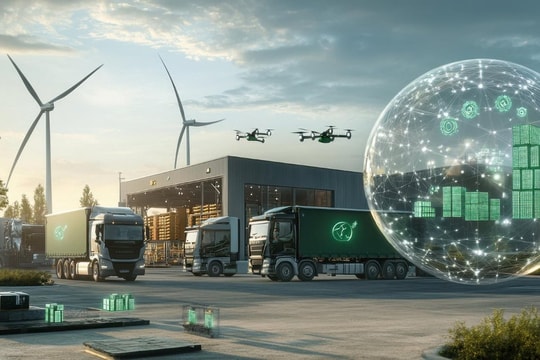
The government’s Green Energy Transition Action Program for Transport targets at least 50 percent of vehicles using electricity or green fuels by 2030 and 100 percent by 2050. The key question is how Vietnam will reorganise infrastructure and supply chains to turn such goals into operating “green logistics corridors” on the ground.
From Net-Zero Commitments to Decarbonisation Pressure on Logistics
At COP26, Vietnam pledged to reach net-zero emissions by 2050. In transport, national decarbonisation scenarios aim to cut emissions by 12 percent unconditionally and up to 22 percent with international support by 2030 compared to a business-as-usual trajectory. Decision 876/QD-TTg (2022) translates these ambitions into a roadmap: by 2030, at least 50 percent of new vehicles should run on electricity or green energy; by 2050, 100 percent of road vehicles, railway locomotives and port equipment are expected to transition to electricity and green fuels.

At the same time, shipping lines and terminal operators are facing rising pressure from carbon-pricing schemes, ESG requirements and IMO rules on CO₂ intensity and marine fuels. Experts warn that without timely investment in green infrastructure and services, Vietnamese logistics providers risk being penalised under carbon-border measures and losing competitiveness against regional hubs that move faster on energy transition.
Against this backdrop, “green logistics” can no longer be reduced to cutting plastic packaging or tweaking routes. It now entails rethinking transport corridors, switching to low-carbon fuels (LNG, methanol, SAF, electricity, hydrogen) and restructuring warehousing and port networks to lower emissions across the entire value chain.
Once Vietnam has committed to net zero, logistics becomes one of the sectors where early action is both necessary and visible. A green logistics corridor is not simply a road reserved for electric trucks or alternative-fuel vessels; it is the outcome of integrated planning, targeted incentives, emissions-tracking technology and new business models. If fleets are electrified but transport operations remain unchanged, much of the potential climate benefit will be eroded by congestion, empty runs and poor asset utilisation.
Building Green Corridors along Core Transport Axes
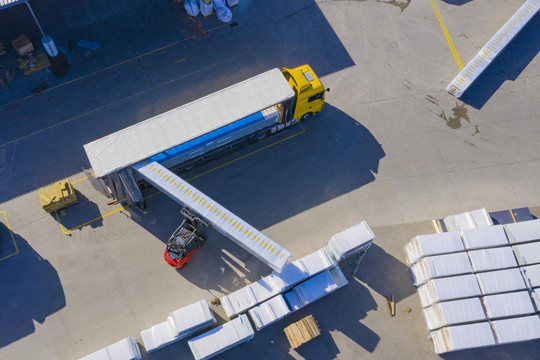
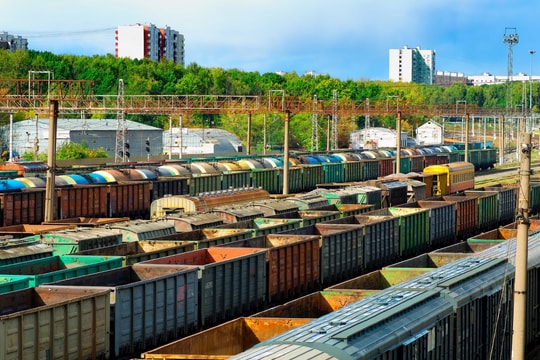
Policy documents indicate that Vietnam is exploring green logistics corridors along key axes: the North–South spine, east-west economic corridors and major gateways linking seaports, dry ports and inland logistics centres. Along these routes, priorities include gradually shifting heavy-duty fleets to electricity, CNG/LNG and other low-carbon fuels, while increasing the modal share of rail and inland waterways—which have significantly lower emission intensities than road transport.
In the port sector, the green-energy program calls for 100 percent of equipment in inland ports and river terminals to use electricity or green energy after 2031, and for new or converted seagoing vessels to rely on alternative fuels after 2035. This will require investments in on-shore power supply, expanded grid capacity, e-powered handling equipment and pilot projects with LNG, methanol or hybrid vessels in cooperation with shipping lines.
On land, green corridors will not materialise without a dense network of fast-charging stations and alternative-fuel depots for trucks, particularly around logistics hubs and along expressways. National roadmaps foresee that by 2030, electric and green-fuel vehicles should account for 20–45 percent of passenger and freight fleets in major cities like Hanoi and Ho Chi Minh City, complemented by measures such as phasing out fossil-fuel motorcycles in central Hanoi from 2026.
Logistics Businesses: From Carbon Accounting to New Service Models
For logistics companies, green corridors create both challenges and opportunities. The immediate challenge lies in the high upfront cost of electric or alternative-fuel vehicles, port equipment and warehouses, alongside insufficient supporting infrastructure such as charging and refuelling networks.
Yet multiple studies show that early movers in energy efficiency and carbon management gain a competitive edge when negotiating with FDI manufacturers and global retailers, which increasingly demand Scope 3 emissions reporting and robust ESG performance from their suppliers. Several leading Vietnamese logistics firms have begun measuring the carbon footprint of individual shipments, deploying route-optimisation software to cut empty mileage and investing in electric vehicles and rooftop solar for warehouses.

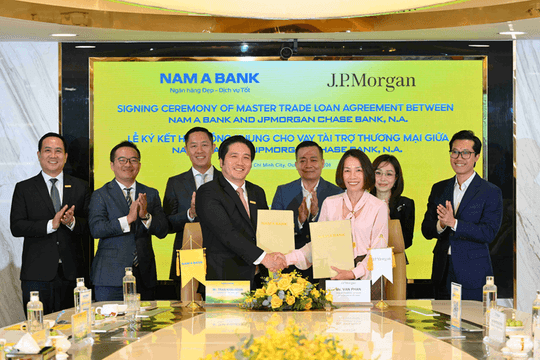
Over the longer term, business models will shift from selling freight rates to selling emissions-reduction solutions. Service packages may be priced based on verified CO₂ cuts, combining carbon-credit trading with access to green finance from banks and climate-focused investment funds. With supportive financial-policy frameworks and clear regulations, this could be a powerful incentive for firms to invest in green corridors instead of waiting passively.
If net zero is a “century-scale equation”, logistics is one of its most complex yet promising variables. Along green logistics corridors, businesses will not only renew assets but also redesign service offerings, operating procedures and partnership models with shippers and suppliers. This is a long game in which advantage will not necessarily belong to the cheapest providers, but to those that are both efficient and genuinely green in how they move goods.
Green logistics corridors are more than a communication slogan; they are a structural transformation program aligned with Vietnam’s net-zero commitment. As green-energy targets in transport are translated into specific routes, ports, logistics hubs, charging and refuelling stations and new business models, Vietnam can both cut emissions in a meaningful way and upgrade its logistics capabilities, avoiding the “carbon cost trap” in international trade. Time pressure is real, but it can also be a catalyst for government, businesses and international partners to act earlier and act together.



.jpg "Dien Bien, Yunnan and Luang Prabang: Expanding Regional Cooperation and Investment Opportunities")