
The key question is: what kind of association model can truly help Vietnamese logistics firms “scale up” in regional supply chains rather than remain symbolic?
From Policy Advocacy to Co-Creating New “Playing Fields”
As Vietnam joins multiple new-generation FTAs and trade rules on logistics, customs and cross-border transport become more sophisticated, individual companies struggle to keep up without a collective focal point. Industry associations play that role by compiling members’ concerns, turning them into structured policy recommendations and contributing feedback on draft regulations relating to transport, ports, customs, warehousing and cross-border e-commerce.
Beyond “commenting on documents”, associations can co-create new initiatives with regulators: piloting single-window mechanisms at ports, building shared data standards for supply chains, designing “green logistics” programs, establishing “safe corridors” for multimodal transport or proposing preferential credit schemes for investment in fleets, warehouses and digital technologies. When associations speak with evidence-based proposals, the benefits extend well beyond their membership to the broader logistics ecosystem.
A strong association is one that “speaks the language of data”. Instead of making generic petitions, logistics and transport associations can collect and aggregate real-world data - customs clearance times, port and yard charges, truck idle ratios, congestion at gateways to underpin policy dialogue. When recommendations are backed by numbers and practical solutions, the odds of seeing them translated into effective regulations increase significantly.
From “Going Alone” to “Going Together”: Enabling Collaboration Among Firms
In logistics markets, many companies view one another as direct competitors and are reluctant to share information. However, under the combined pressure of integration, ESG requirements, digitalisation and rising service expectations, “everyone for themselves” makes it harder for smaller players to access large contracts, invest in technology or participate deeply in regional supply chains.
Associations can help foster a culture of “cooperative competition”. Through specialist committees and clubs, they can facilitate experience-sharing, partner-matching and the formation of service alliances by trade lane or commodity group; they can also promote codes of conduct for fair competition. At a higher level, associations can orchestrate joint projects such as shared data platforms, transport tender portals, industry-wide training programs and ESG guidelines for member companies.
Operating Model: Professionalising the Association, Clarifying Member Value
To truly act as an “extended arm” of business, associations themselves must operate more professionally. First, they need clear missions, strategies and action plans, supported by a capable secretariat and experts with strong technical knowledge and skills in policy advocacy, international cooperation and communication.
Second, associations should clearly define what value they deliver to members: beyond a certificate of membership, what tangible benefits do firms get? These may include access to in-depth information and market intelligence; participation in trade and investment promotion missions; legal, tax and customs advisory services; preferential terms for training and conferences; and structured “roundtables” with regulators and international partners. When member value is clearly articulated, companies are more likely to join, stay engaged and contribute.
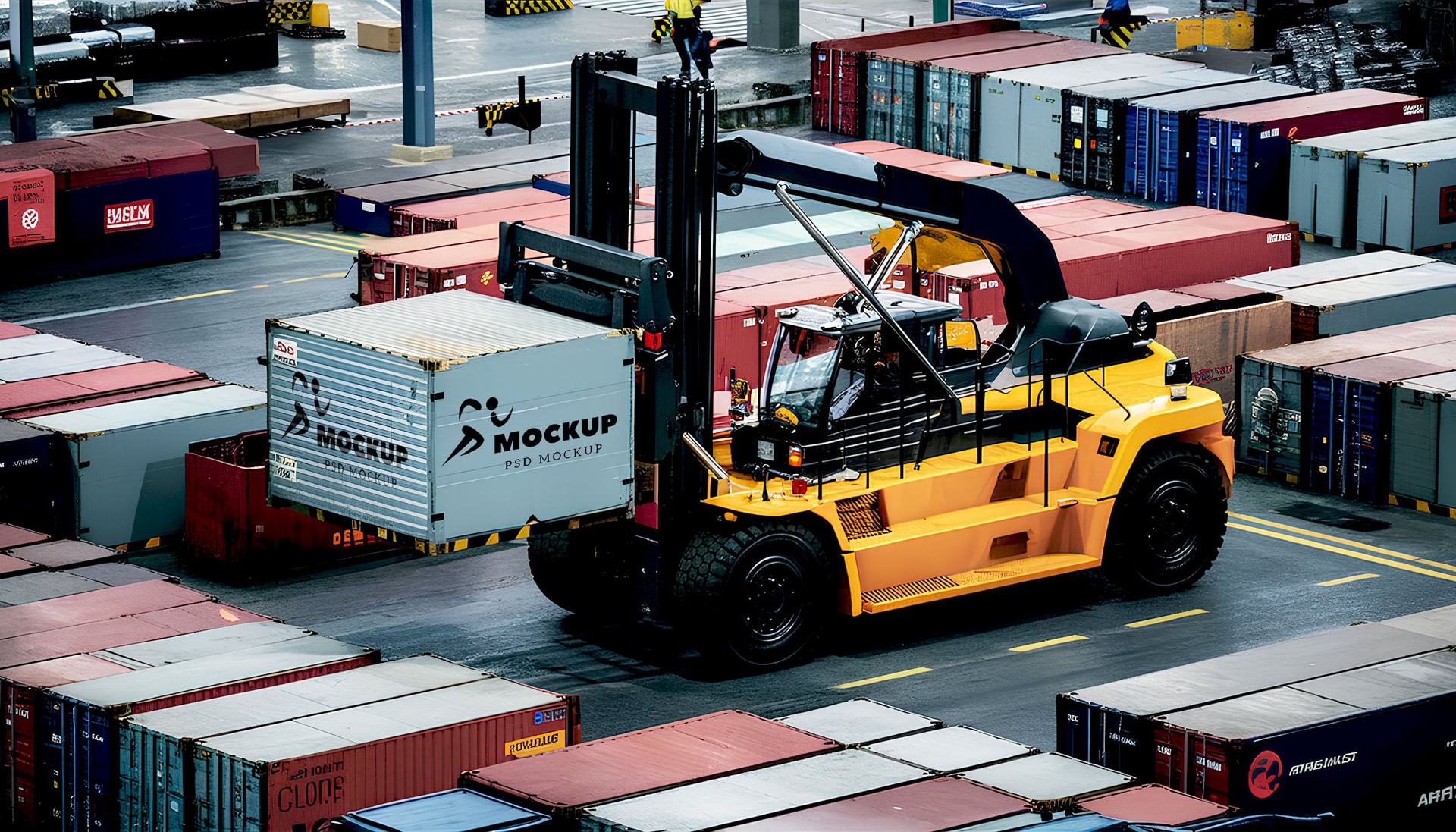
Logistics and transport associations only carry real weight when they are both a trusted partner of government and a close companion of businesses. This requires a balanced operating model: independent enough to provide frank feedback, yet collaborative enough to co-create solutions; professional enough to engage international stakeholders, yet grounded enough to reflect the real voice of domestic firms.
In Vietnam’s quest to enhance logistics competitiveness, industry associations should evolve beyond event organisers, certificate providers or fee collectors. They can and should become a core piece of “soft infrastructure”: a space where data are shared, business voices are heard, pilot projects are incubated and knowledge is disseminated. When businesses and associations align around a common goal - improving the competitiveness of Vietnam’s supply chains - each policy reform, partnership project and training program will generate larger, more sustainable impact for the entire industry.
.png "WEPACK 2026: When Vietnamese packaging moves from participation to national presence")
.png "Integrated logistics: a new competitive edge for agricultural exports")



.png "Dien Bien builds investment value chains to power its next growth chapter")

.jpg "Dien Bien, Yunnan and Luang Prabang: Expanding Regional Cooperation and Investment Opportunities")