
In the age of Logistics 4.0, digital transformation and greener supply chains, the real issue is not only “how many workers” are missing but “which skills” are in short supply.
A Growing Market Facing 14–16% Annual Growth and Persistent Talent Gaps
Vietnam has more than 3,000 logistics companies, not counting the large number of logistics staff embedded in manufacturers, traders and retailers. With the sector growing at 14–16 percent per year, recruitment needs remain intense: around 50 percent of logistics companies report that they must increase their workforce by 15–20 percent annually to keep pace with demand.
However, the workforce structure is imbalanced. There is an oversupply of staff performing basic tasks (warehouse keepers, checkers, simple delivery roles) but a severe shortage of professionals in high-value positions such as supply-chain design, network optimisation, data-driven operations management and ESG compliance. This leads to a paradox: many firms end up assigning under-qualified staff to complex roles and then spending additional time and money on retraining, while mid- to senior-level positions remain hard to fill.
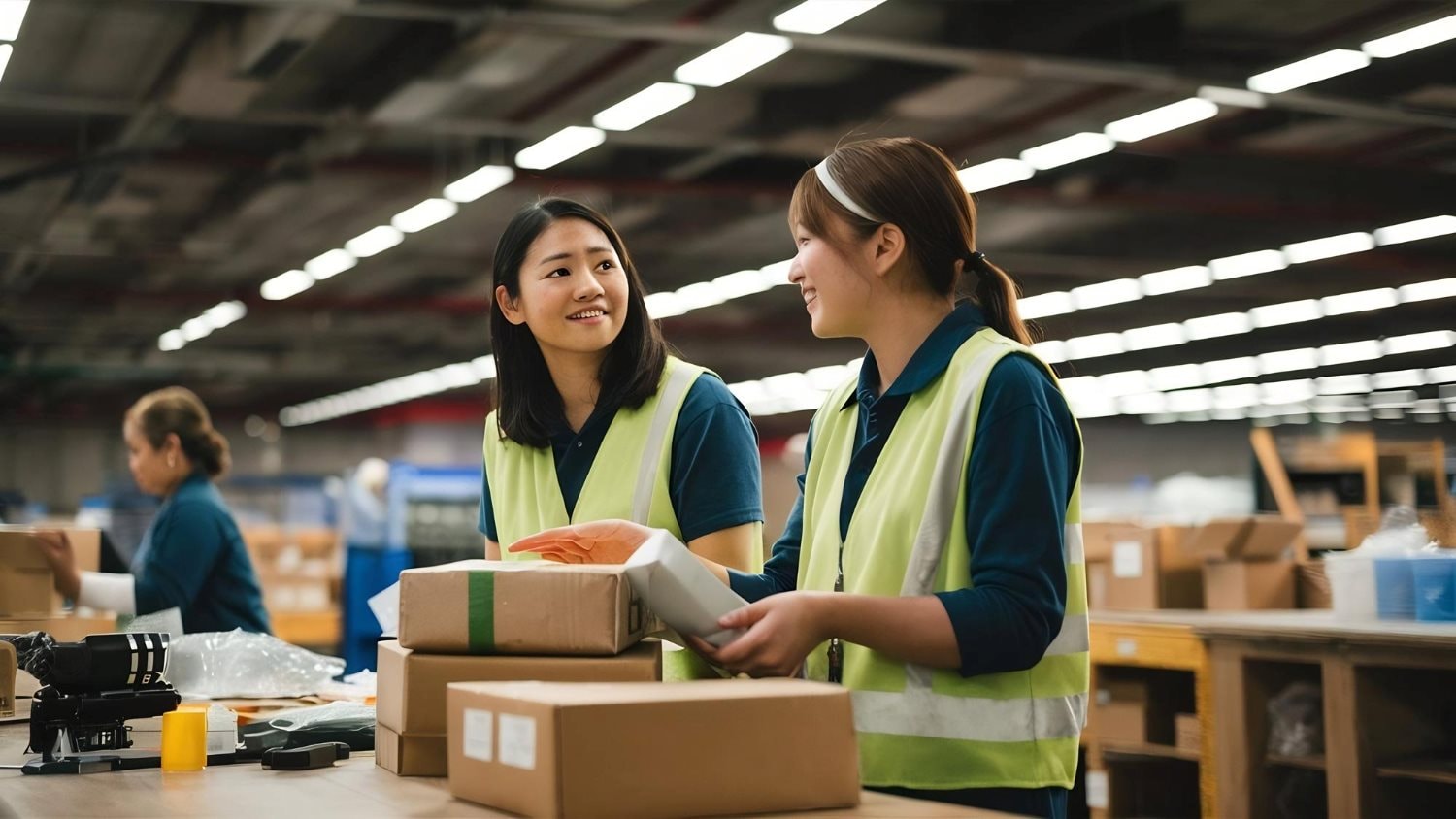
Vietnam’s logistics workforce is short not only in numbers but also in the “high-value links” of the chain: solution design, end-to-end supply-chain optimisation, risk management, emissions management and digital transformation. As exporters, FDI manufacturers and global retailers demand professional logistics and supply-chain teams with strong English, data skills and ESG awareness, the talent gap at these levels is becoming increasingly evident.
Training Lagging Behind: Weak Digital and Green Skills
Over the last decade, the number of universities, colleges and institutes offering Logistics and Supply Chain Management programs has grown rapidly, including many high-quality and international joint programs. Yet numerous studies indicate that curricula remain heavily theoretical and short on practice; many lecturers lack industry experience and are slow to update content on digital logistics and green logistics.
A 2023 survey on digital skills in logistics found that most employees are only familiar with basic operational software; skills in data analytics, TMS/WMS operation and dashboard-based decision-making remain limited. On the “green” side, most training programs provide only broad overviews of green transport and emissions management, without equipping students to use carbon-accounting tools, design environmentally optimised networks or deeply understand ESG standards applied by global clients.
Experts caution that unless digital and green content is quickly embedded into training programs, Vietnam may end up “leapfrogging in infrastructure but lagging in people,” building modern ports, smart warehouses and logistics centres without a workforce capable of running them effectively.
From School–Business Partnerships to International Cooperation
To bridge the skills gap, proposed solutions increasingly emphasise dual-training models in which businesses participate in curriculum design, deliver guest lectures, host internships and place early-recruitment orders. Many universities have already signed cooperation agreements with logistics firms, seaports, shipping lines and FDI manufacturers, offering long-term internships and project-based learning modules modelled on real-world logistics scenarios.

At the international level, programs such as Aus4Skills - an A$86 million initiative by the Australian Government—play a noteworthy role in helping Vietnam develop a high-quality workforce by funding lecturer training, joint curricula and professional exchanges in logistics and related fields. In addition, short-course and professional certification schemes in logistics management, supply-chain management, digital logistics and green logistics are increasingly recommended as mandatory for key positions in companies.
In the logistics talent equation, universities cannot go it alone, and businesses cannot simply wait for the market to deliver job-ready professionals. A tripartite model involving government, academia and industry - complemented by international partnerships in curricula, faculty development and student exchanges - offers a practical way to expand both the quantity and quality of logistics talent, aligning Vietnam’s workforce with regional and global standards.
Human resources will determine whether Vietnam’s logistics sector can move beyond low-margin, fragmented services to take on higher-value roles in regional supply-chain design and orchestration. In the era of digitalisation and green transition, the real gap lies not in headcount but in the pool of professionals with digital skills, end-to-end supply-chain understanding and a sustainability mindset. Without serious investment in training, partnerships and skills standards, infrastructure and policy upgrades will deliver only partial results. Conversely, by leveraging international cooperation, actively “ordering” the right talent from universities and fostering a culture of lifelong learning within companies, Vietnam can build a logistics workforce capable of supporting its ambition to become a regional logistics hub.
.png "Integrated logistics: a new competitive edge for agricultural exports")