
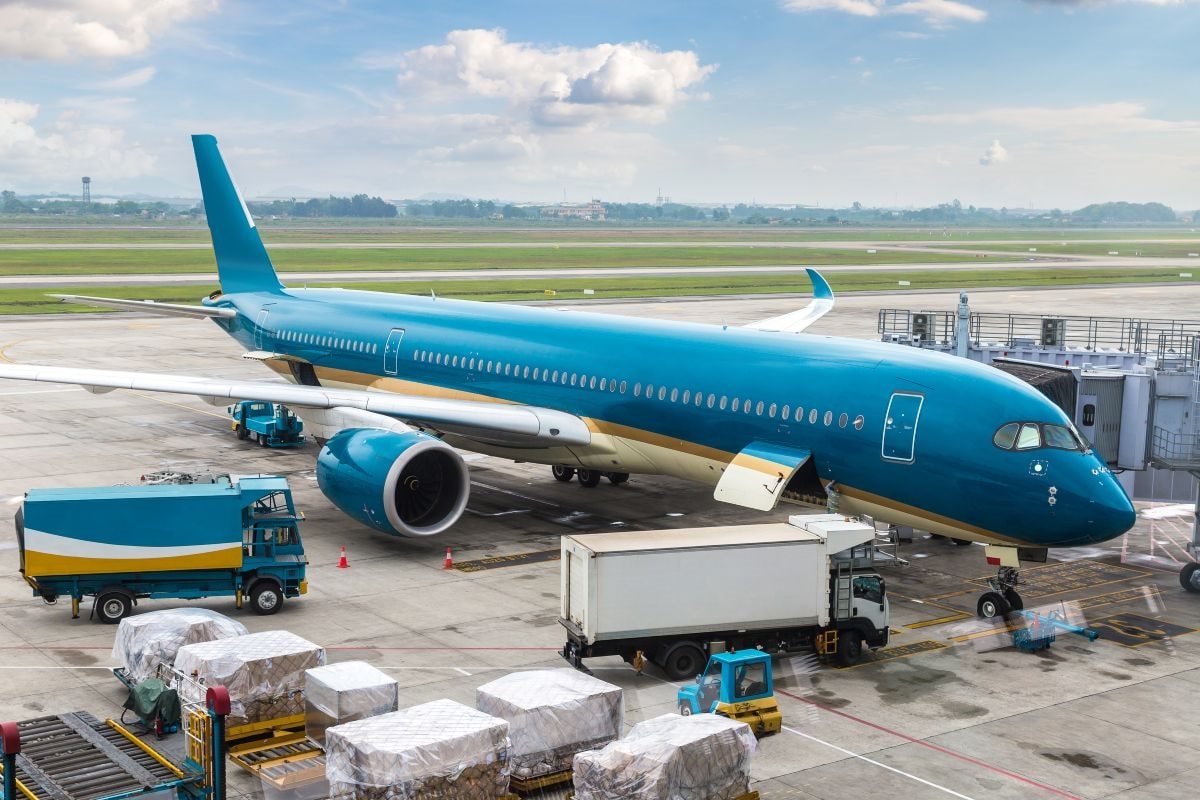
Despite the high cost, the key question is: is this simply an “expensive expense” or truly a way to “save revenue”? The answer depends on measuring incremental margin contribution and response speed, rather than a simplistic comparison of freight rates.
When It Is “Worth” Switching to Airfreight
Airfreight has long been viewed as a “luxury” mode in supply chains. Yet in times of disruption, it becomes a lifeline when delays threaten revenue directly.
The crucial factor is knowing when it is “worth it” to switch. For products with high margins, unpredictable demand, or high risk of customer loss, the additional cost is entirely justified. In contrast, for low-value goods or those with long consumption cycles, shifting to airfreight can be wasteful and distort cost structures.
Companies need a clear “playbook.” The first step is ranking products (SKUs) by margin, demand volatility, and stockout cost. From this, they can build an airfreight playbook with weekly trigger thresholds, priority routes, backup destination airports, and packaging standards.
Most importantly, they must simulate incremental margin contribution rather than just comparing freight costs. Metrics such as “revenue saved” and “inventory recovery time” will help win over finance departments. At the same time, long-term relationships with forwarders capable of securing block space during peak seasons are crucial to staying proactive.
Safety Stock by SKU Group
Not all products require increased safety stock. A blanket approach not only causes waste but also ties up capital. The sensible solution is to allocate buffer stock by SKU groups, using multivariate analysis: margins, lead time, demand variability, and promotion cycles.
For fast-turnover but high-risk products, consignment models or vendor-managed inventory (VMI) can ease capital pressure. For core products, close monitoring of the “aging risk” index helps prevent obsolescence. In parallel, substitution policies and flexible promotions allow companies to relieve pressure when stockouts threaten key items.

Effective safety stock does not mean indiscriminately increasing reserves. It requires data-driven, multi-factor analysis to determine appropriate buffers by SKU, channel, and region.
With fast-moving, high-risk categories, VMI or consignment can share the capital burden. Companies should also track aging risk to actively release stock. Meanwhile, substitution strategies and well-timed promotions help mitigate stockout pressure for mainstay products.

Combining Sea–Air & Flexible Transshipment
Another cost-optimization strategy is combining sea and air. Under the Sea–Air model, goods are shipped by sea to transshipment hubs such as the Middle East or Eastern Europe, then flown onward to final markets.
This model shortens lead times and is cheaper than relying entirely on airfreight. Moreover, diversifying transshipment points and destination airports reduces risks when specific routes are disrupted. Most importantly, it provides flexibility—balancing cost and speed during volatile periods.
Airfreight and buffer stock are not “lifebuoys” to be used impulsively; they are strategies that must be activated based on rules and data. Companies that quantify value through metrics such as revenue saved, inventory recovery time, and residual risk can transform costs into advantages. In volatile seasons, victory belongs not to those who spend more, but to those who allocate wisely.
.png "Guangzhou Digitalization & AI Expo 2026")

.jpg "Warehousing 2025: Are Robots Truly the Optimal Solution?")