
A Global Investment Wave and the New Map of Battery–Renewables Supply Chains
Worldwide, battery demand is projected to grow from around 750 GWh in 2022 to about 3,500 GWh by 2030, driven primarily by electric vehicles and stationary energy-storage systems. The supply chain is highly concentrated: China accounts for roughly 60 percent of global battery and key component production, the Democratic Republic of Congo provides about 65 percent of cobalt supply and Indonesia is rapidly emerging as a nickel and battery hub with tens of billions of dollars of FDI.
Across Southeast Asia, Indonesia, Thailand and Malaysia are racing to secure their place in EV and battery value chains - Indonesia leveraging nickel resources, Thailand building its EV manufacturing base. Vietnam is also moving: from VinFast to other players, demand for batteries for buses, trucks, passenger EVs and energy storage is creating new requirements for logistics and infrastructure.
At the same time, Vietnam’s energy strategy envisions a higher share of LNG, domestic gas and renewables - especially wind and solar - targeting about 27 percent of the generation mix while developing supporting industries for wind, solar and storage technologies. New regulations such as Decree 57/2025 are reshaping the investment landscape for renewables, introducing capped tariffs, new DPPA models and stricter grid-integration rules, which in turn influence logistics demands for clean-energy projects.
Vietnam is not only a buyer of renewable-energy equipment; it has the potential to become a supplier. The Made in Vietnam Energy Plan 4.0 highlights domestic manufacturing of solar panels, wind-turbine components and energy-storage systems as a strategic priority, aiming to build a robust supporting industry and reduce dependence on imports. As domestic manufacturing scales up, export-oriented logistics for components and systems will place new demands on seaports, logistics centers and coastal industrial zones.
Ports, Industrial Parks and the Logistics Backbone of Clean-Energy Supply Chains
To play a meaningful role in battery and renewable-energy supply chains, Vietnam needs more than isolated assembly plants. What is emerging is an ecosystem of specialized industrial parks, dedicated port facilities, logistics centers and raw-material and component networks.
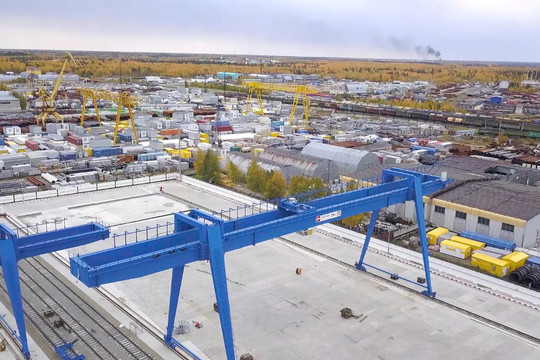
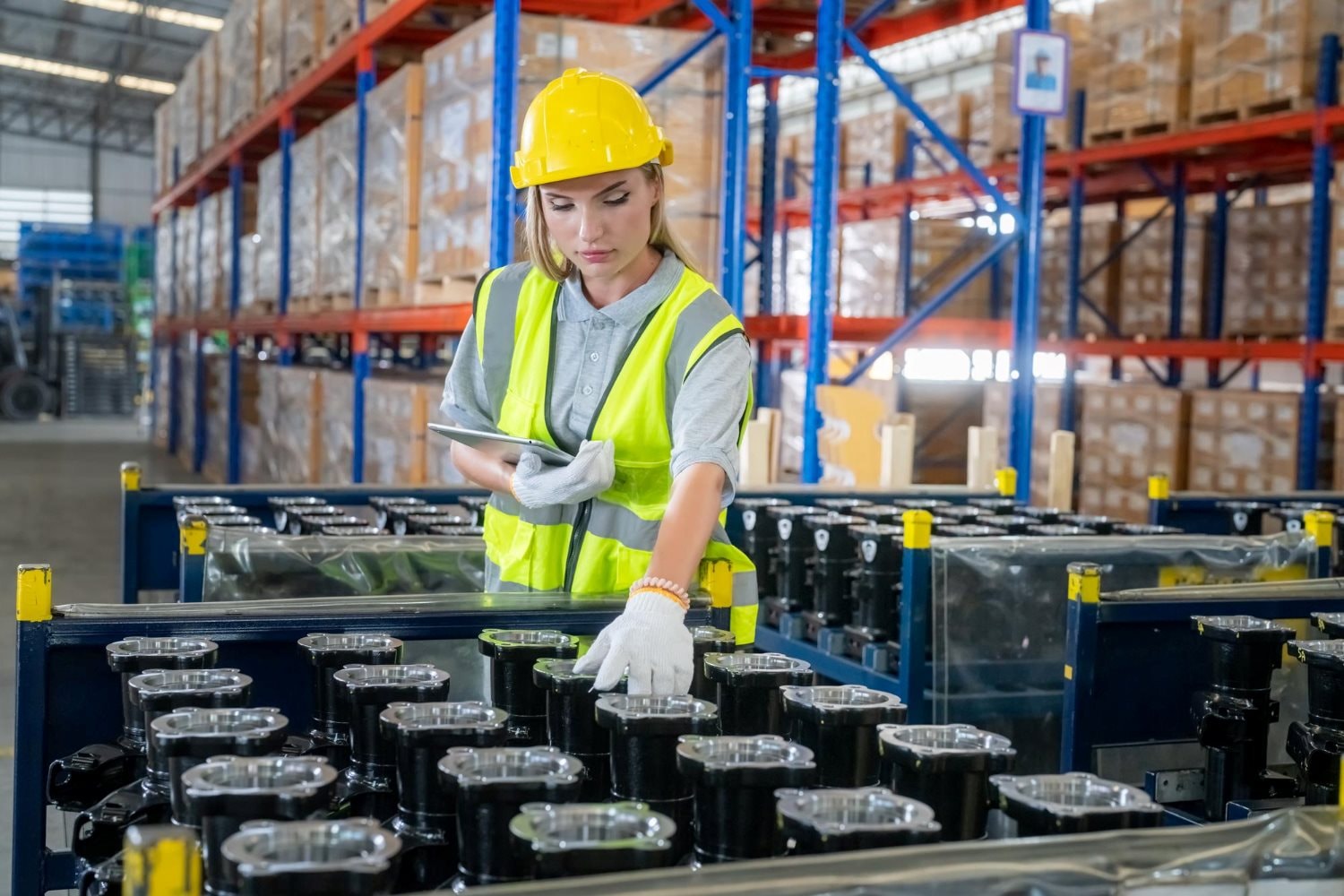
Several proposed and ongoing projects illustrate this direction. Integrated clean-energy–industrial–logistics complexes along the coast are being designed with manufacturing for wind towers, blades and electrical equipment, together with dedicated deep-sea berths for transporting oversized components and supporting offshore wind construction, operation and maintenance. At the same time, battery-supply-chain studies estimate that Vietnam will need between USD 3.3 and 5.4 billion in investment to build a competitive domestic value chain - from materials and cells to pack assembly - if it wants to become a serious regional player.
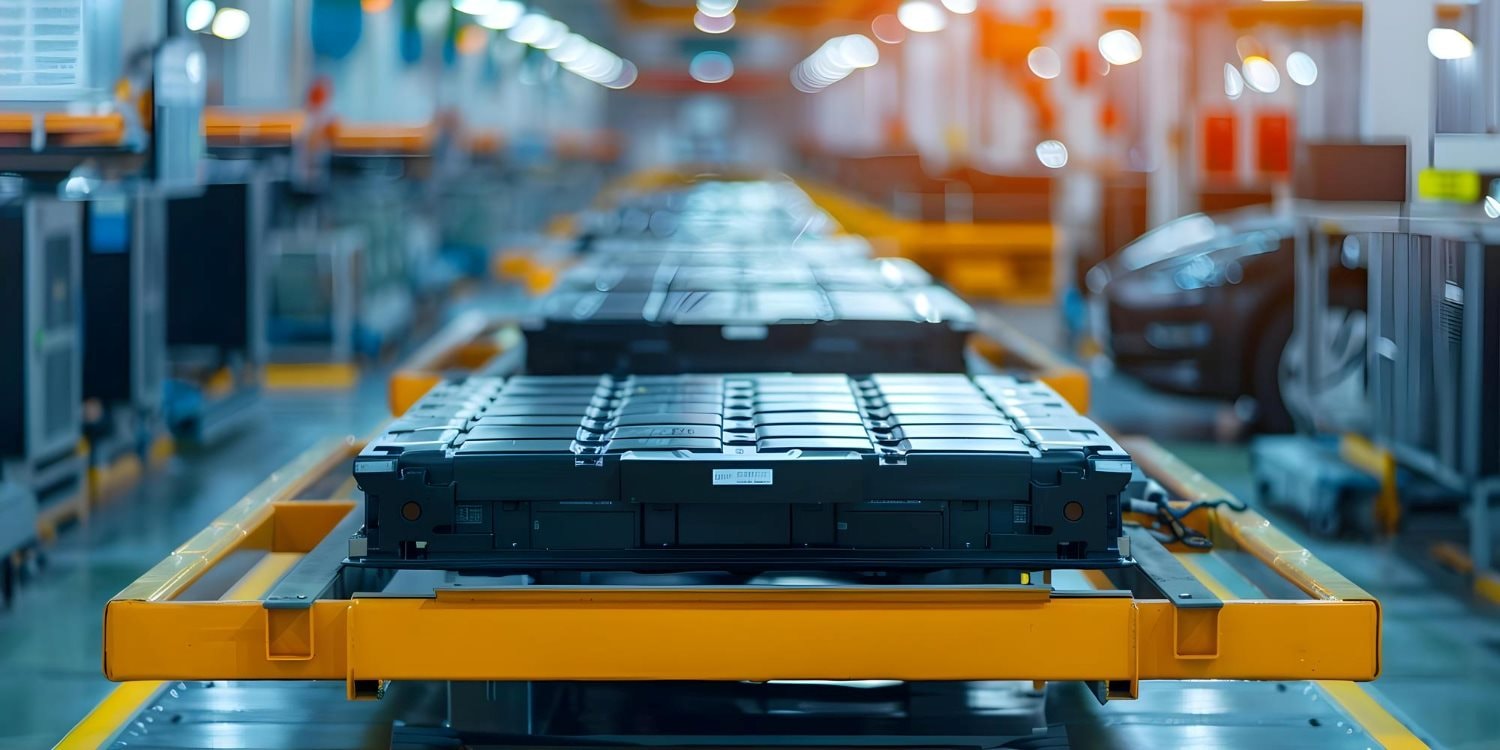
On the corporate side, new EV-battery plants and material facilities - often in partnership with global leaders - are being located in coastal industrial zones with easy access to ports and export logistics. A recent example is the planned EV-battery plant in central Vietnam developed with Chinese partner BYD, which will supply commercial EVs in the first phase and later passenger vehicles. Co-location of battery plants, renewable-equipment factories and deep-sea ports offers a powerful advantage: it minimizes heavy-lift transport costs and provides international buyers with a one-stop hub for production, logistics and after-sales services.
The challenge lies in planning and coordination. Industrial parks, ports and logistics facilities must be designed from the outset with clean-energy projects in mind - accommodating extra-large blades, nacelles, towers, transformers and battery containers - rather than retrofitted later at higher cost. This requires alignment between national energy and industry strategies, port-development plans and private-sector investment decisions.
Positioning Vietnam in Regional Battery and Clean-Energy Value Chains
Vietnam cannot compete head-to-head with Indonesia on raw materials, nor does it yet have the automotive scale of some larger economies. Its strengths lie in a combination of factors: gateway geography within ASEAN, a broad network of free-trade agreements, a maturing manufacturing base and an increasingly sophisticated logistics sector.
The Global Supply Chain Report 2025 from HKUST’s Li & Fung Institute notes that diversification of EV and battery supply chains has become a strategic priority in the face of geopolitical risks and trade barriers. In this environment, locations that can offer a “full package” - from ports and logistics infrastructure to specialized industrial zones, skilled labour and stable policy - are best placed to attract investment.
Vietnam’s net-zero pledge by 2050 adds a strong domestic driver for renewables and energy storage. If policymakers can design the right “playing field” - dedicated land and incentives for specialized clean-energy industrial parks, port and yard capacity for project cargo, green-finance mechanisms for battery and BESS projects - Vietnam can simultaneously strengthen its own energy security and emerge as a significant node in regional clean-energy supply chains.
Vietnam’s opportunity in battery and clean-energy supply chains does not lie in copying any single country’s model. It lies in designing its own ecosystem: coastal “clean-energy clusters” where ports, industrial parks, logistics facilities and R&D centers are integrated. In such clusters, each new battery or wind-equipment plant is not an isolated project but another building block in a larger positioning strategy - one that aims to move Vietnam up the ladder from end-market to regional production and distribution hub for green technologies.
Battery and renewable-energy supply chains are reshaping global production and logistics networks. For Vietnam, this is not simply a matter of buying more green equipment; it is an opportunity to reimagine its development space - from seaport planning and coastal industrial zones to integrated clean-energy-logistics-R&D clusters. By leveraging the current wave of supply-chain diversification and aligning energy, industrial and logistics policies, Vietnam can climb to a higher rung: evolving from a primarily consuming market to a key manufacturing and transshipment hub in the regional battery and clean-energy value chain.
.png "25 Years of Grit: “Uncle Ho’s Soldiers” on the Logistics Frontline")


.png "Dien Bien builds investment value chains to power its next growth chapter")
.jpg "Dien Bien, Yunnan and Luang Prabang: Expanding Regional Cooperation and Investment Opportunities")