
Vietnam - one of the countries most exposed to natural disasters in ASEAN - is also an increasingly important node in the region’s aid network. From the lessons of Typhoon Yagi to ongoing reforms, humanitarian logistics is moving from backstage operations to a strategic pillar of national risk management.
From Typhoon Yagi to the Push for Professionalized Humanitarian Logistics
Studies on Typhoon Yagi reveal a clear “stress test” of Vietnam’s logistics system: more than 80 percent of logistics firms surveyed reported severe or moderate impacts, including warehouse congestion, disrupted road transport and delayed import-export flows. At the same time, emergency relief operations had to race against the clock to deliver clean water, food and medicines to communities cut off by floods and landslides.
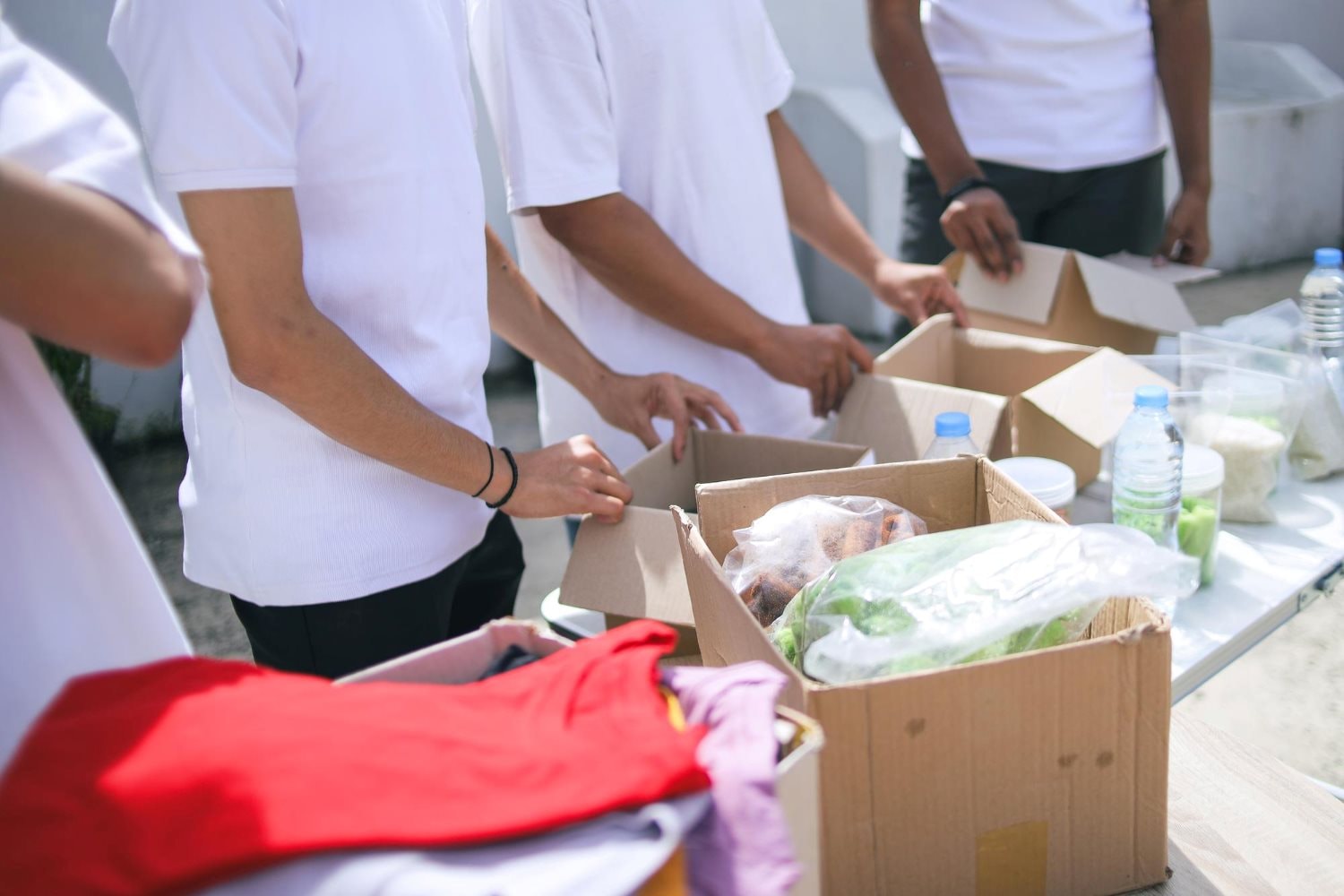
Recent research on humanitarian logistics in Vietnam - including work exploring how social-media data can be used to support relief operations after Yagi - highlights a critical pain point: fragmented and slow information flows. Traditional reporting chains and paper-based procedures struggle to keep up with rapidly evolving disaster situations, making it difficult to identify real needs and prioritize interventions.
Global literature on humanitarian logistics shows recurring bottlenecks across many crises: congested ports and airports, complex customs procedures, weak coordination between actors, limited real-time data and fragile last-mile capacity. These issues have surfaced not only in the Philippines after Super Typhoon Haiyan or in major South Asian floods, but also in several large-scale disasters in Vietnam.
Against this backdrop, calls to professionalize humanitarian logistics are gaining momentum. The focus is shifting from improvised relief efforts to a more structured “humanitarian supply chain” that is designed, data-driven and planned well before disasters strike.
Humanitarian logistics is far more than “moving relief goods.” It is a full value chain: needs assessment, planning, procurement, warehousing, transport, distribution and impact monitoring. Recent studies stress that when planning is robust and commercial logistics infrastructure is leveraged, cost and lead-time can be reduced significantly, while the match between aid supplies and actual needs improves. In other words, better logistics design often means more lives saved per dollar spent.
ASEAN, the AHA Centre and Vietnam’s Role as a Regional Node
Within ASEAN, the AHA Centre plays the role of a regional “nerve centre” for disaster information and coordinated response. Its publication Weathering the Perfect Storm documents how the region has sought to build a shared learning platform on humanitarian assistance, disaster relief and risk reduction - from the 2004 tsunami and Cyclone Nargis to Haiyan and more recent crises.
Recent initiatives and statements show ASEAN stepping up its humanitarian-logistics capabilities, with emphasis on standardizing procedures, sharing stockpiles and strengthening national logistics capacities. The United States and other development partners have been working with ASEAN to enhance logistics coordination, information-sharing and multi-agency exercises.
Given its strategic location, Vietnam is seen as a critical node in this network: highly exposed to hazards but also home to relatively advanced commercial port, airport and logistics infrastructure compared to some neighbors in the Mekong sub-region. Major port-logistics clusters such as Hai Phong, Da Nang, Ho Chi Minh City and Cai Mep-Thi Vai could function as regional gateways for receiving and redistributing relief goods, if backed by proper planning and cooperation frameworks.
The challenge is not only physical infrastructure but also the level of integration between disaster-management agencies, military units, commercial logistics companies and international aid organizations. Experience from the Philippines after Haiyan shows that clearly defined civil-military coordination frameworks and pre-agreed roles can significantly improve port and airport throughput during major relief operations.
From “Ad-Hoc Relief” to Smart Humanitarian Supply Chains in Vietnam
To elevate humanitarian logistics, Vietnam needs to shift from largely ad-hoc relief operations to smarter, more integrated supply-chain models. Studies around Typhoon Yagi suggest the potential of harnessing social-media and other open-data sources to quickly identify where people are stranded and what they need, complementing information from official channels.
At a strategic level, Vietnam could designate “relief hubs” in key port-airport-logistics clusters, where pre-positioned stocks, handling equipment, ICT systems and trained teams are co-located. When disasters hit, these hubs can be rapidly activated, connecting to international partners on the one hand and to provincial warehouses and local last-mile networks on the other. Research on port performance in disaster relief underscores the value of such preparedness and scenario-based planning.
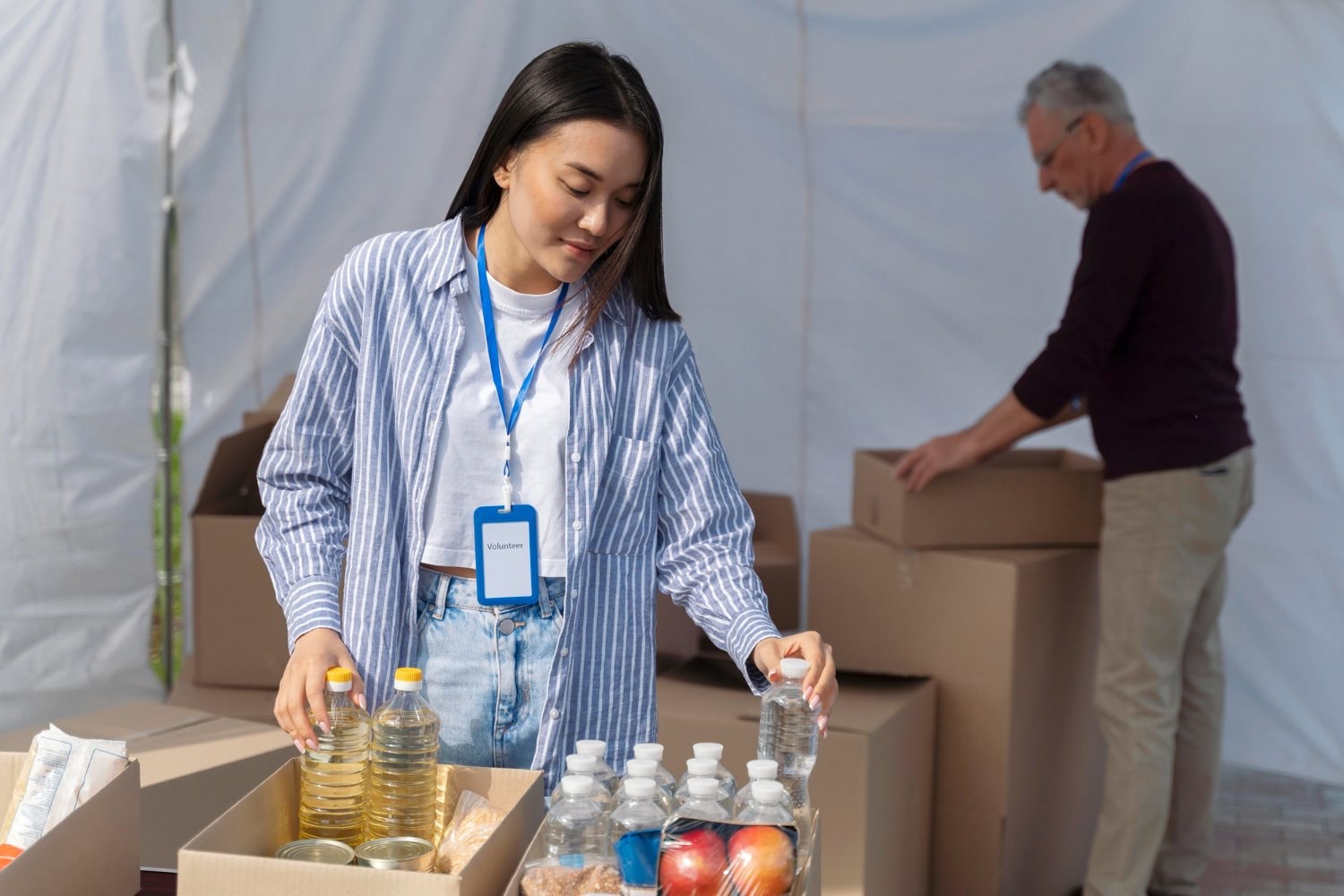
Operationally, commercial logistics companies can become strategic partners for government and humanitarian agencies under special “emergency activation” arrangements. Instead of trying to build a separate humanitarian logistics system from scratch, Vietnam can tap into existing fleets, warehouses and expertise in the private sector, under clear legal and financial frameworks.
A modern humanitarian supply chain is inseparable from digital tools. Satellite imagery, digital maps, social-media analytics, GPS tracking and intelligent dispatch platforms all help close the information gap in disaster zones. With Vietnam’s high smartphone penetration and extensive telecom coverage, integrating “bottom-up” data from communities into relief-coordination systems could be a game-changer for speed and accuracy in resource allocation.
Humanitarian logistics is no longer a peripheral support function; it is becoming a strategic pillar of disaster-risk management and human security. As climate-driven hazards intensify, Vietnam faces both pressure and opportunity: pressure to protect its citizens and opportunity to become an ASEAN leader in smart, integrated relief logistics. When lessons from Typhoon Yagi, from ASEAN’s cooperative mechanisms and from global best practice are translated into concrete institutions, infrastructure and partnerships, Vietnam’s humanitarian logistics will be better positioned to save lives at home and support neighbors across the region.
.png "25 Years of Grit: “Uncle Ho’s Soldiers” on the Logistics Frontline")



.png "Dien Bien builds investment value chains to power its next growth chapter")

.jpg "Dien Bien, Yunnan and Luang Prabang: Expanding Regional Cooperation and Investment Opportunities")