
Behind these figures lies enormous pressure on the cold chain - hospital cold rooms, distribution centers and road and air transport networks. The key question is whether Vietnam’s pharmaceutical logistics ecosystem is truly ready to handle these next-generation products.
A Wave of New Vaccines and Biologics – and the Pressure on the Cold Chain
In recent years, Vietnam has witnessed strong growth in its pharmaceutical industry, together with an imminent influx of next-generation vaccines and biologics. Market studies estimate that Vietnam’s cold chain and pharma logistics segment is already worth about USD 1.2 billion, driven by demand for vaccines, biologics and temperature-sensitive specialty medicines that require strict thermal control along the chain.
Across the broader Asia-Pacific region, the healthcare cold-chain logistics market is forecast to grow from roughly USD 33.5 billion in 2026 to more than USD 42.5 billion by 2031, underscoring the rapid expansion of temperature-controlled supply chains for pharmaceuticals and healthcare. In Vietnam, population ageing, the rising burden of chronic diseases and growing demand for quality healthcare are pushing logistics requirements to a higher standard: shorter lead times, stable temperature ranges and transparent traceability from manufacturer to patient.

The incoming wave of new vaccines and biologics - from mRNA vaccines and next-generation immunizations to advanced biologic therapies for cancer and rare diseases - creates a new set of challenges for the cold chain. Many of these products must be kept within extremely narrow temperature bands; some require ultra-cold conditions at –70°C, while others are highly sensitive to light and humidity. This forces logistics providers, pharmaceutical manufacturers and distributors to invest seriously in dedicated healthcare cold storage, real-time monitoring technologies and standardized operating procedures aligned with GDP and GSP requirements.
A pharmaceutical supply chain is far more than “just keeping things cold.” It is a tightly orchestrated ecosystem where data, processes and people must work in unison. As new vaccines and biologics enter the market, a minor temperature excursion or extended dwell time can render entire batches unusable, causing huge financial losses and eroding public trust. Investing in pharma logistics is therefore, in essence, an investment in public health security.
Weak Links in Vietnam’s Pharmaceutical Logistics
Despite being one of the fastest-growing segments of Vietnam’s logistics industry, the cold chain remains modest in scale. In 2024, the total cold-chain market is estimated at just over USD 200 million, supported by some 1.3 million pallet positions in professional cold stores and fewer than 1,500 temperature-controlled trucks operated in an organized manner nationwide. Purpose-built pharmaceutical cold storage is heavily concentrated in major hubs such as Hanoi, Ho Chi Minh City and Da Nang, while many provinces and remote areas still rely on conventional facilities at hospitals and primary care centers.
Research on Vietnam’s cold-logistics value chain highlights several systemic bottlenecks: uneven capability to maintain temperature integrity, lack of unified operating standards, and fragmented data flows between manufacturers, distributors, transport providers and healthcare facilities. A significant share of perishable goods - including health products - still travels without consistent temperature control, contributing to product spoilage and quality risks.
Human resources are another weak link. Managing a pharmaceutical cold chain demands staff who are thoroughly trained in handling ultra-low-temperature storage, responding to incidents such as equipment failures or delays, and understanding the regulatory framework for transporting drugs, vaccines and biologics. Yet many logistics operators still treat their healthcare segment as an extension of F&B or agro-food operations, without dedicated training programs or specialized SOPs for pharmaceuticals. This gap between compliance requirements and on-the-ground execution increases operational risk.
High capital costs further complicate the picture. A compliant pharma-grade cold store must incorporate high-performance insulation, redundant refrigeration, backup power, continuous monitoring and regular validation, all of which require substantial investments. At the same time, the domestic healthcare system’s willingness to pay for logistics services remains limited, putting pressure on payback periods - especially for small and mid-sized logistics firms.
Upgrading the Healthcare Cold Chain: From Cold Rooms to Real-Time Data
For Vietnam to be truly ready for the new wave of vaccines and biologics, healthcare cold-chain upgrading must be treated as a long-term strategic agenda, supported by both public policy and private investment. At the national level, digital-transformation programs and data-development strategies through 2030 are prioritizing common data platforms, with logistics, healthcare and pharmaceuticals identified as key domains. Harmonizing data standards and enabling interoperability between warehouse management systems, transport platforms, pharmacies and hospitals will be the backbone for better control of cold-chain quality.
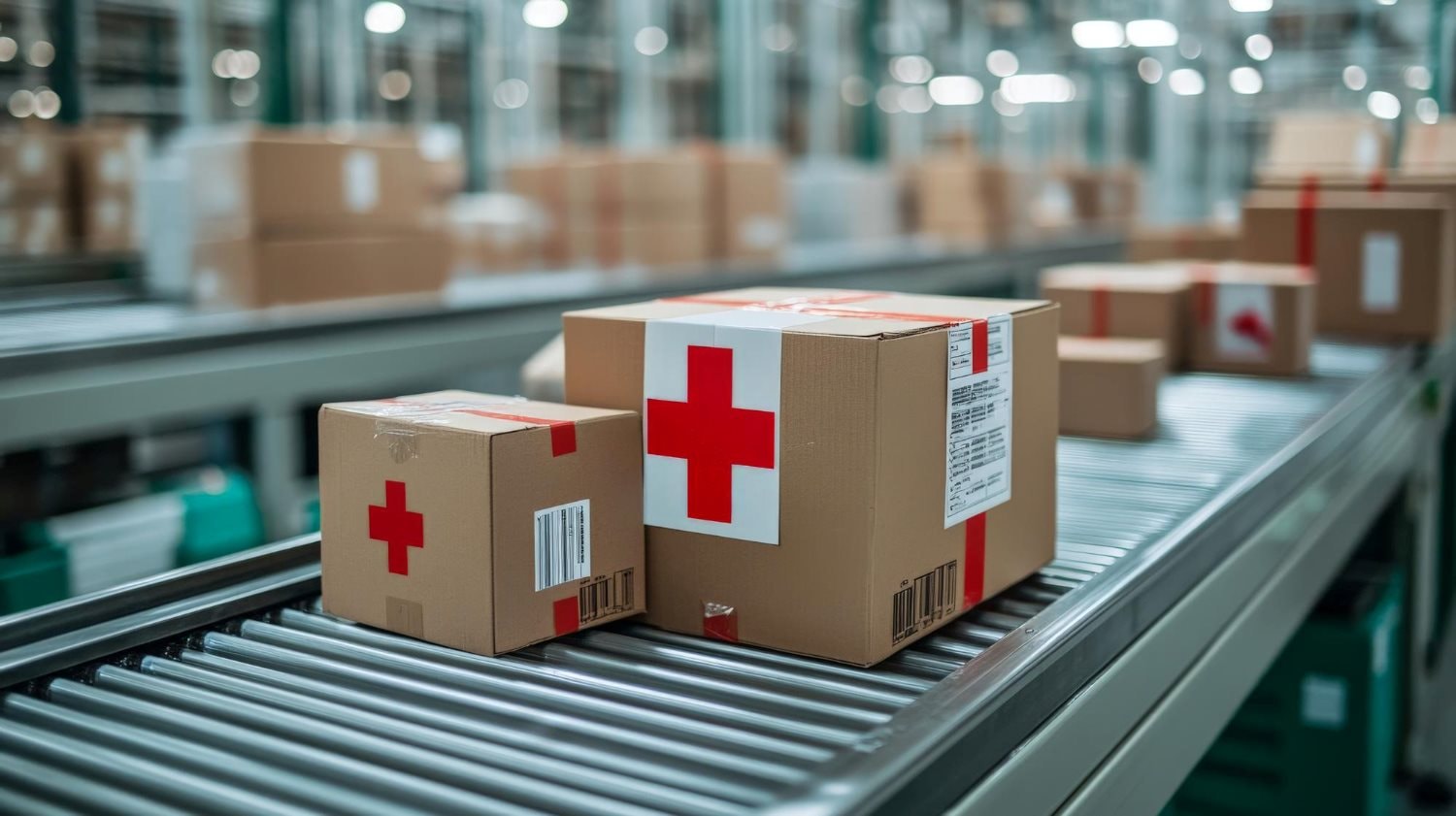
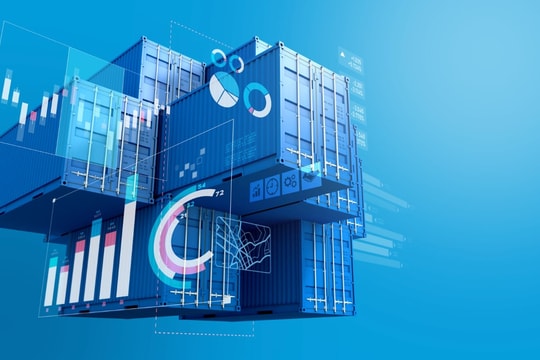
At the enterprise level, the goal is not only to build more cold rooms, but to build a “smart cold chain.” That means deploying IoT sensors across trucks, containers and warehouses; integrating real-time temperature and location tracking; setting up early-warning alerts for temperature deviations; and sharing critical data seamlessly with customers and regulators. Global solution providers have demonstrated that such real-time visibility significantly reduces spoilage rates and increases the reliability of pharmaceutical supply chains.
A modern healthcare cold chain cannot be separated from digital transformation. When every shipment of vaccines or biologics is associated with a “digital identity” that records temperature, time and location in real time, confidence among hospitals, physicians and patients rises sharply. This, in turn, enables Vietnam to plug more deeply into regional pharmaceutical supply networks, not only as an end-market but increasingly as a distribution hub for Southeast Asia.
Vietnam stands at a rare inflection point: rising healthcare demand and the arrival of next-generation vaccines and biologics create a powerful catalyst to upgrade pharmaceutical logistics. Yet this opportunity will only translate into advantage if the weak links—cold-storage infrastructure, human resources and data systems—are identified and strengthened in time. Once the healthcare cold chain is professionally engineered, operates on real-time data and adheres to rigorous international standards, Vietnam’s pharma logistics sector can both safeguard public health and become a new pillar in the country’s broader logistics landscape.



.png "Dien Bien builds investment value chains to power its next growth chapter")
.jpg "Dien Bien, Yunnan and Luang Prabang: Expanding Regional Cooperation and Investment Opportunities")