
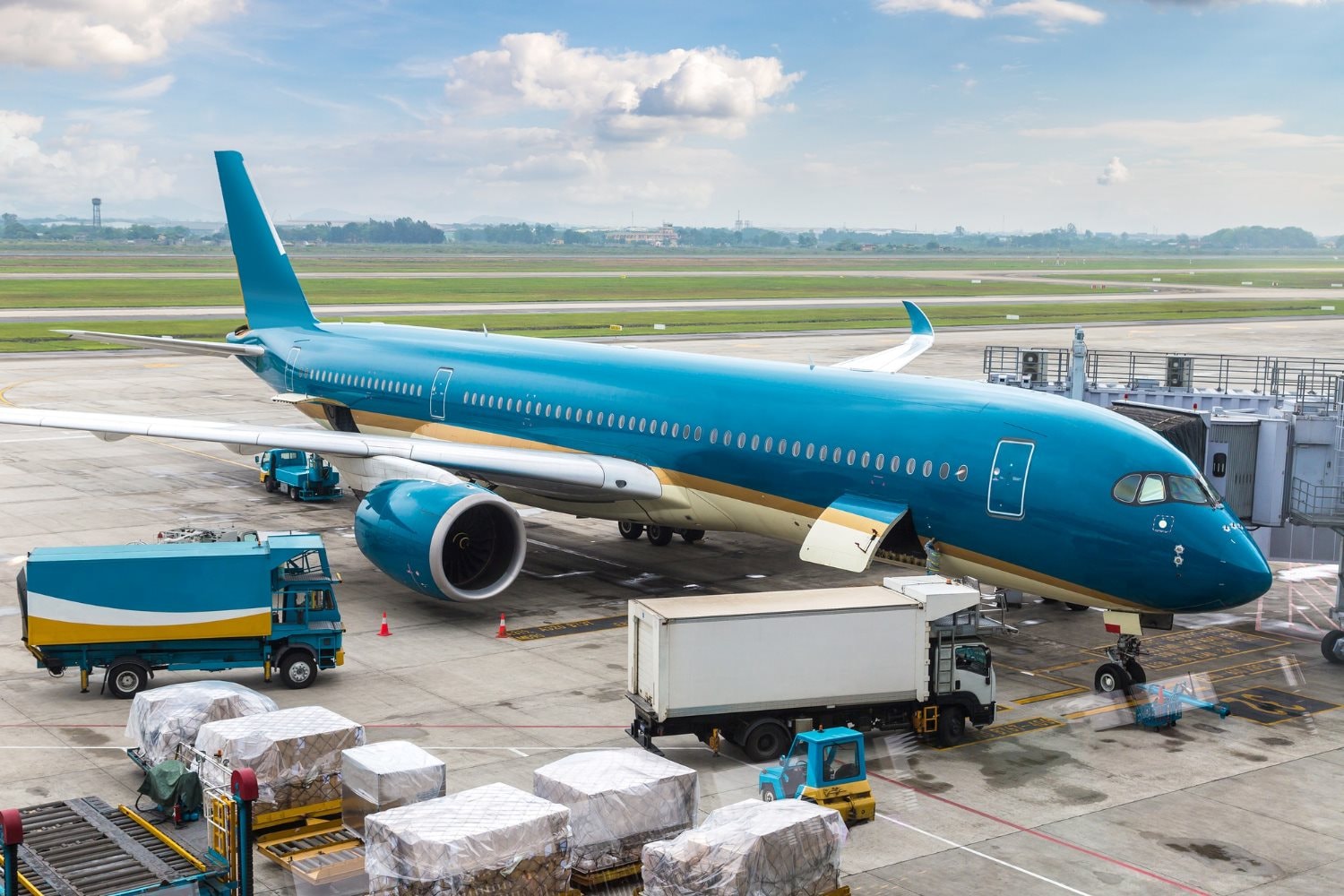
In this context, cross-border e-commerce logistics is becoming a critical runway for Vietnamese goods to reach regional and global buyers - but it also brings complex challenges in customs clearance, warehousing, fulfillment and last-mile delivery.
A Wave of Cross-Border Orders and the “Far but Near” Journey of Vietnamese Goods
The ASEAN e-commerce logistics market was valued at around USD 10.25 billion in 2025 and is projected to more than double to over USD 20 billion by 2031, growing at over 12 percent annually. The ASEAN E-Commerce Agreement is improving payment and delivery infrastructure, supporting SMEs and reducing tariff and non-tariff barriers, thereby making cross-border online transactions easier across the region.
For Vietnam, e-commerce is increasingly described as a “digital expressway” that brings Vietnamese products to global markets, especially for SMEs that struggle to secure shelf space in traditional overseas distribution channels. Policymakers have identified cross-border e-commerce as a strategic pillar for export growth, offering a shortcut for farm products, handicrafts and consumer goods to reach buyers in ASEAN, Northeast Asia, Europe and the US.
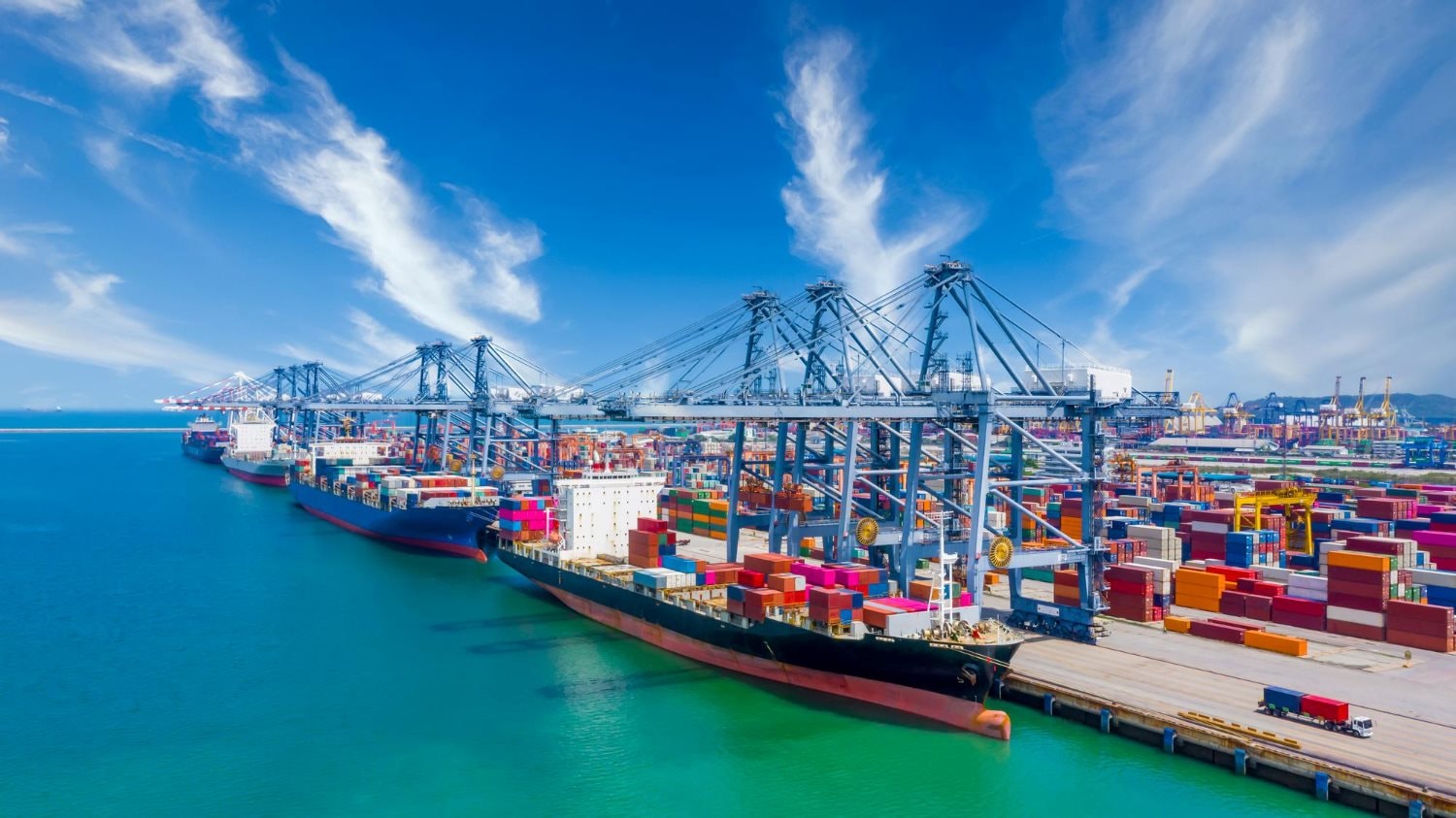
At the same time, major platforms like Shopee, Lazada, TikTok Shop and Tiki are becoming “mega digital marketplaces,” with combined GMV estimated at USD 16 billion in 2024 and market power increasingly concentrated in just a few players. This reality turns e-commerce logistics from a supporting function into a core competitive advantage: speed, cost of international shipping, real-time tracking, returns management and after-sales services all influence the success of Vietnamese brands online.
Cross-border e-commerce allows Vietnamese products to “go global but stay close”: a small workshop in a provincial town can suddenly serve customers in Singapore, Tokyo or New York. Yet for that journey to be smooth, affordable and reliable, logistics must evolve beyond traditional express delivery. It requires an integrated ecosystem that brings together bonded warehouses, cross-border fulfillment, electronic customs clearance, optimized international line-haul and efficient last-mile delivery powered by real-time data and visibility.
From Customs to the Last Mile: New Bottlenecks in E-Commerce Logistics
Domestic e-commerce logistics is dominated by fulfillment and last-mile challenges. Cross-border orders add extra complexity: consolidating small parcels, packing to international standards, choosing optimal routes, clearing customs electronically and ensuring last-mile delivery in destination markets.
On the regulatory side, Vietnam has implemented a National Single Window (NSW) and connected it with the ASEAN Single Window (ASW), allowing one-time data submission, synchronized processing and electronic document exchange among ASEAN states. This has helped businesses save billions of dollars, cut average transit time by about four days per transaction and laid a strong foundation for handling the high volume of small parcels generated by e-commerce.
However, many SMEs still struggle with HS codes, product standards, taxes, technical regulations and market-specific requirements. They often depend entirely on platforms or a handful of large logistics providers, accepting thin margins and limited transparency around cost structures and service levels.
On the last-mile side, the challenge is not only distance but also rising expectations for ultra-fast delivery. Studies from MIT’s Center for Transportation and Logistics show that when fast or next-day options dominate, emissions can increase by 10–12 percent because trucks run half-full, repeat routes and rely more on air freight. This puts pressure on cross-border fulfillment and delivery providers, who must balance speed, cost and sustainability to meet both customer expectations and climate commitments in importing countries.
A Strategic Playbook for Vietnamese Logistics Firms
As platform giants increasingly control data and traffic flows, Vietnamese logistics firms face a choice: remain low-cost subcontractors or become value-adding partners in digital supply chains.
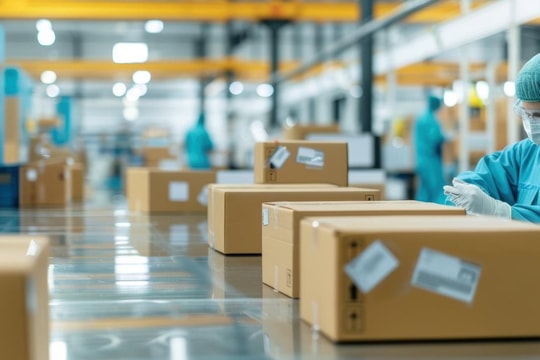
To move up the ladder, several strategic directions stand out. First, invest in cross-border fulfillment capabilities: warehouses near ports and airports, WMS integrated via APIs with platforms and SaaS tools, and value-added services such as labelling, repacking and customization for destination markets. Second, develop specialized market and regulatory advisory capacity so that forwarders can advise SMEs on tariffs, rules of origin, technical standards and packaging and labelling rules - especially for food, cosmetics, pharmaceuticals and FMCG. Third, join regional logistics networks and alliances, leveraging major hubs such as Singapore, Bangkok, Hong Kong and Incheon to optimize routes and costs.
To avoid being sidelined in cross-border e-commerce, Vietnamese logistics providers must upgrade from transport contractors to designers of digital supply-chain solutions. This requires parallel investment in physical infrastructure (warehousing, fleets, port and airport connectivity) and digital capabilities (platforms, APIs, data analytics, market-advisory teams). Only by owning and leveraging data, and by contributing to solution design, can logistics companies secure a share of the value created in cross-border e-commerce instead of merely “renting out trucks” in the digital economy.
From ASEAN to the World: Toward an Integrated Strategy on Logistics and Data
At the policy level, closer integration between the NSW, ASW and private e-commerce and logistics platforms would create a genuine “data expressway” for cross-border orders. When order data, documentation, transport information, customs clearance and delivery status are standardized and interoperable, compliance costs and delay risks can be sharply reduced.
At the enterprise level, logistics providers should see cross-border e-commerce as a long-term strategic pillar. That includes piloting bonded and near-market fulfillment hubs, co-developing SME-focused offerings with platforms and participating in ASEAN initiatives around interoperable digital identities and verification systems that streamline onboarding and compliance for cross-border SMEs.
Cross-border e-commerce is emerging as a powerful driver for Vietnam’s exports, but its full potential will only be realized if logistics is upgraded into a truly digital, cross-border supply chain. From customs reform and data standardization to investment in fulfillment and green last-mile solutions, every link counts. If policymakers and businesses can harness digitalization and regional integration, Vietnamese logistics providers can reposition themselves—not as anonymous subcontractors, but as strategic partners in bringing “Made in Vietnam” products to global online shoppers.
.png "25 Years of Grit: “Uncle Ho’s Soldiers” on the Logistics Frontline")





.png "Dien Bien builds investment value chains to power its next growth chapter")

.jpg "Dien Bien, Yunnan and Luang Prabang: Expanding Regional Cooperation and Investment Opportunities")