
(Vietnam Logistics Review)Road transport plays an important part in increasing goods value, competition abilities and developing cross-border trade. However, enterprises providing road transport services have been facing no less difficulties due to inconsistent policies among countries and bi-lateral unbalance that leads to the raise in transport costs.
 | The imbalance between two sides causes increasing costs. |  |
Potential of the cross- border transport market
Cross- border road transport plays an important role in the process of import- export among countries in the region and in the world. Good cargo transshipment helps enterprises working in the field save expenses.
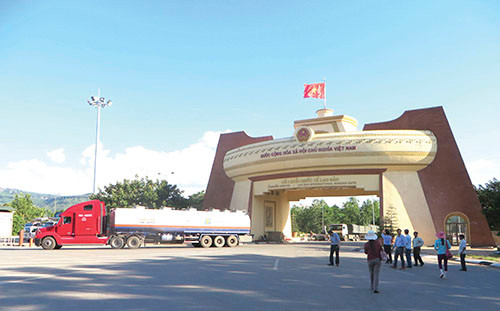
According to the statistics, Vietnam has 56 border gateways on the land: 25 international gateways and 31 main gateways. Besides, there are also 71 minor gateways and 39 opening points. International gateways are mostly on the borders between Vietnam and China (7), Vietnam- Laos (8) and Vietnam- Cambodia (10).
Through border gateways, countries in the region founded cross- border transport transshipment routes of Vietnam- Laos- Thailand, Shenzen (China)- Vietnam- Laos- Thailand, and Vietnam- Cambodia. Nguyen Nhat Kha- Deputy Director of Customs Management and Inspection Administration, Vietnam Customs- said both Vietnam’s import and export goods need no transshipment to other neighbor countries. On the contrary, goods from the Northeast of Thailand, Cambodia and Yunnan (China) to other countries needs transshipment, warehousing services in Vietnam territory.
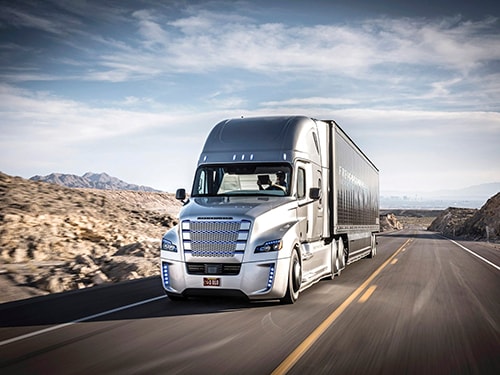
Besides rather good infrastructures, Vietnam also has a relatively stable legal framework. Especially the Framework Agreement among Southeast Asia countries on trade facilitation, among which is the Protocol no.7 on customs transshipment system. According to the protocol, transshipment cargo from Vietnam and Southeast Asia countries will be carried out with ASEAN Cargo Transshipment System (ACTS). Kha said this will facilitate enterprises in progresses of declaration and cargo liquidity and also satisfy the needs for management and statistics from customs offices.
Inconsistent e-customs system
According to General Department of Vietnam Customs, when joining ACTS, there have been two e-customs. Cargo from ASEAN countries in transshipment through Vietnam, imported from ASEAN to Vietnam or exported from Vietnam to other ASEAN countries has two choices for doing procedures: following either VNACCS or ACTS. However, even when cargo to or from ASEAN countries has to follow ACTS, we will have to use ANACCS for transshipment cargo in accordance to bilateral agreements of those who are not ASEAN countries. “This will increase management cost due to complicated procedures, which is partly limit trade benefit, causes inconsistence in management, and makes investment environment less attractive to businesspeople,” said Kha.
Besides, to join ACTS, Vietnam has to invest in a complete IT infrastructure. ACTS is considered to work independently from VNACCS. In the last phase of experimental stage to 3 country members Malaysia, Thailand and Singapore, the system also worked independently to their existing transshipment systems. Therefore, Vietnam has to invest both hardware and software for its IT infrastructures at international gateways and local transshipment points using the system.
Barriers to cross-border transport should be removed
In experts’ opinions, although framework agreements have been signed among ASEAN countries, many inconsistent regulations have been causing difficulties for multi-border transport activities, for example, the issue of right- driving vehicles and vehicles liability insurance… Besides, inconsistent infrastructures at main gateways between Vietnam- Laos, Vietnam- Cambodia decrease transport efficiency. At the gateway or Moc Bai- Ba Vet, there are around 400- 500 vehicles at peak hours, but the road cannot meet the demand. And complicated paperwork also causes congestion.
Cargo transport between Vietnam and China also faces difficulties. Kha said, in term of legal document, Vietnam has many “untied” policies for road transport. When implementing Transport Agreement with China, it is easy for cargo trucks from China to get into Vietnam, however, trucks from Vietnam to China have still had more difficulties in customs, causing to high gateway costs. Pham thi Thu Hien- Deputy Director of Vietnam Road Administration said, a container from Vietnam to China costs USD 350- 450, cargo costs USD 600/ container.

However, Nguyen Tuong, Duputy General Secretary of Vietnam Logistics Association, said, in cross- border road transport, the most difficult thing to enterprises providing logistics services is cargo. The imbalance between two sides causes increasing costs. However, when signing multi- border agreements, due to their own interests, other countries did not implement the agreements in accordance to initial spirit. To overcome inadequacies, Tuong said strategies and policies for cross- border transport, especially for transport corridor- a Vietnam’s advantage compared to sea way and air way. “There should be priority policy to develop cross- border transport, especially for transshipment cargo. It is to attract cargo sources from regional countries, especially container cargo- a great thing when we integrate ASEAN economic community,” said Tuong.


.png "Dung Quat Enters a New EPC Execution Phase")