
.png)
.png)
The shift of power from “seaborne transport” to “port control” is becoming the focal point in the battle to reshape global logistics chains. Conglomerates like CMA CGM are seeking to acquire dozens of ports owned by CK Hutchison, valued at over USD 20 billion. This is not just a typical business deal—it’s a contest for control over strategic chokepoints from the Suez to Panama, where economic interests converge with geopolitical security.
CMA CGM Enters the Strategic Port Arena
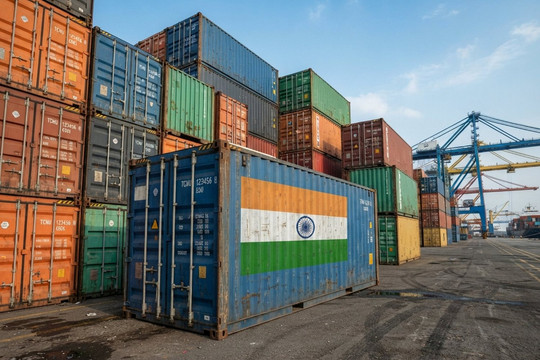
CMA CGM currently owns 65 container ports and reported revenues nearing USD 55 billion in 2024. When the exclusive negotiations for the USD 23–28 billion deal to acquire 43 ports from CK Hutchison across 23 countries fell through, CMA CGM quickly signaled its intention to join the race. Acquiring ports near the Panama Canal or in Europe would not only strengthen its logistics network but also position CMA CGM as a direct competitor to BlackRock and MSC in the global port arena. In this game, competition is not just about shipping efficiency—but also about strategic positioning in the port battlefield.
Maritime Trade Becomes a Political Barometer
The deal involving CK Hutchison raises not just commercial questions but also complex geopolitical challenges. The U.S. remains wary of Chinese influence in Panama and other key port hubs. Conversely, Beijing has threatened to block the deal unless COSCO (China’s state-owned shipping giant) is included as an equal partner. While involving COSCO could ease China’s concerns, it would also trigger apprehensions in the U.S. and the West over growing Chinese sway in global supply chains. The ongoing negotiations are under the scrutiny of roughly 50 regulatory bodies—highlighting both the sensitivity and strategic gravity of the transaction.
Whoever Owns Ports Controls Global Logistics
.png)
.png)
A company controlling ports reduces its dependence on third parties, improves response speed, cuts intermediary costs, and maintains a strong position during supply chain crises. CMA CGM, aiming to own over 100 ports worldwide, is pursuing full vertical integration to transform itself into a global logistics powerhouse spanning the entire chain.
From Ports to National Strategy: Vietnam Must Be Proactive
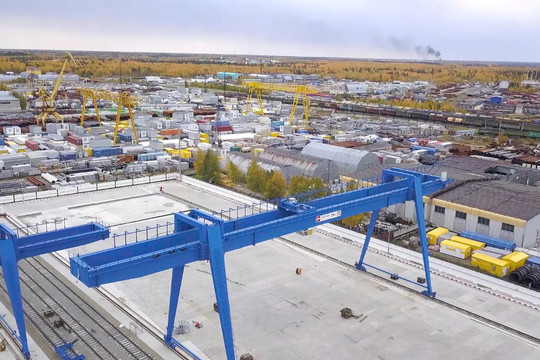
In Vietnam, ports like Hai Phong and Cai Mep - Thi Vai are strategic assets if developed properly. The country needs port development policies based on transparency, closely integrated with domestic logistics and export markets. Engaging in strategic partnerships with international groups or forming balanced alliances involving multiple nations will help Vietnam avoid marginalization in global port competition. Legal transparency, control over ownership capital, and access to smart port technologies are essential to solidifying Vietnam’s position in this increasingly fierce competition.
.png)
.png)
The global port control competition is entering a new era—where trade interests and security strategies intertwine in a complex matrix. What’s unfolding around the CK Hutchison deal is more than the sum of containers and revenues; it’s a clear manifestation of the growing “geopoliticization” of global logistics chains. Major corporations are no longer just chasing market share they’re aiming to control critical infrastructure to establish long-term influence.
For Vietnam, the message is clear: whoever controls the port and logistics chains not only manages cargo flows but also determines their role in the regional economic landscape. This is not merely a challenge of governance or investment attraction it’s a wake-up call to develop deeper infrastructure policies and protect national interests in the face of increasingly sophisticated strategic acquisitions from abroad. Falling behind now means losing a place on the regional logistics chessboard.
.png "Green Industry – Services – Urban Development: Linking the Southeast Economic Region")
.png "The Sanctions Trap in Maritime Shipping – From Oil to Containers")
.png "Container Oversupply: Not Just a Crisis, but a Strategic Stress Test")
.png "Maritime Pilots: Silent in Transition, Steady Amidst Transformation")
.png "Culture – People of Identity: The Root of the New Ho Chi Minh City Megacity")
.jpg "Dien Bien, Yunnan and Luang Prabang: Expanding Regional Cooperation and Investment Opportunities")