
The key question is how Vietnam can move from fragmented, traditional warehouses to a modern ecosystem of logistics parks capable of capturing global manufacturing and trade flows.
From roadside sheds to infrastructure assets of the supply chain
For many years, Vietnamese warehouses were often basic, single-storey structures with metal roofs, located far from city centres and designed with a simple mindset: as long as there is space to store goods, it is enough. Landlords cared mainly about rent per square metre; optimisation of flows, technology integration or multimodal connectivity were rarely front and centre.
The rise of modern retail, e-commerce platforms and FDI in electronics, automotive and supporting industries has changed expectations completely. Companies now need distribution centres that can handle thousands of orders per hour, integrate automation, comply with strict safety, environmental and cold-chain standards. From a supply chain perspective, warehouses are no longer just fixed costs; they are infrastructure assets that determine speed, reliability and total landed costs.
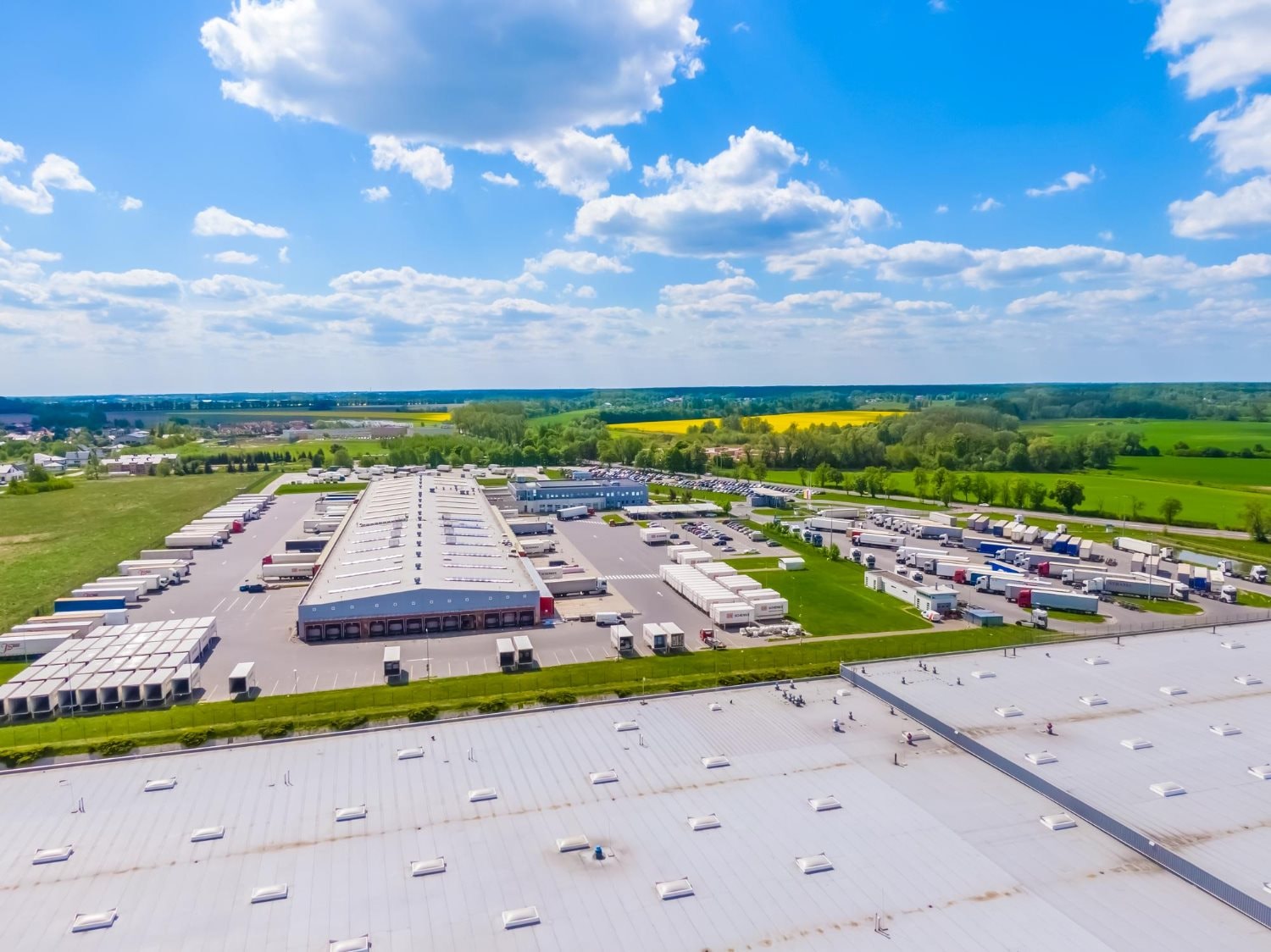
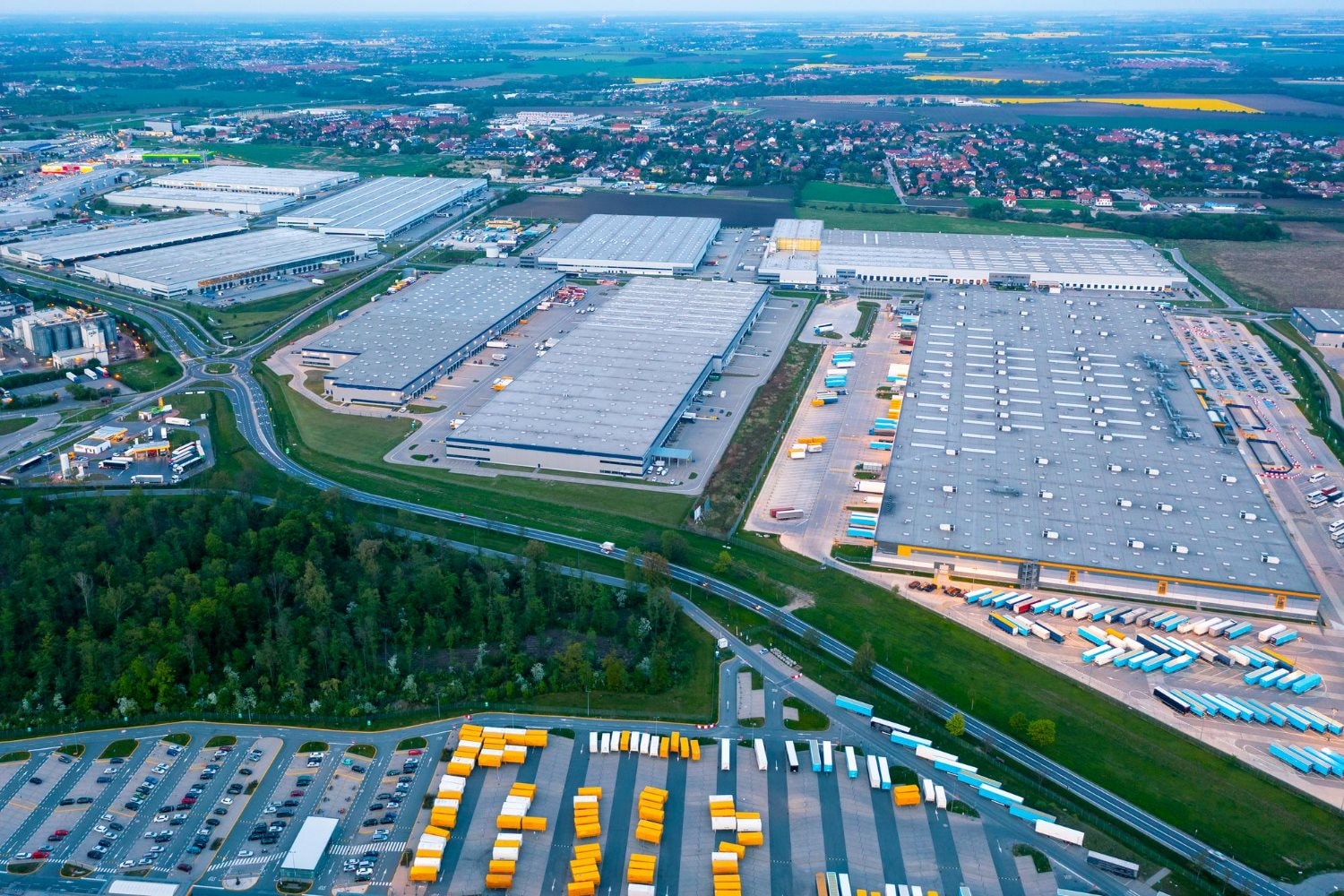
This shift has attracted professional industrial and logistics developers who deliver international-standard facilities: ready-built warehouses, build-to-suit factories and large logistics complexes linked to ports and industrial zones. The market is moving from scattered, ad-hoc sites to clusters of warehouses and logistics centres spanning dozens or hundreds of hectares. Yet compared with best-in-class logistics parks in regional hubs, Vietnam’s logistics real estate is still in transition: many facilities are physical shells with limited integration of value-added services and network design.
Next-generation logistics parks: integrating services, infrastructure and technology
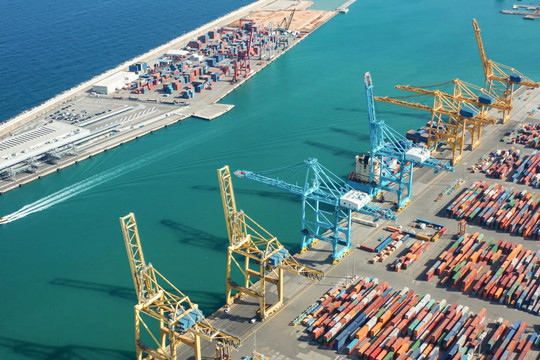
In the new paradigm, a logistics park is not just a collection of warehouses; it is an ecosystem of services around cargo. Alongside ambient and cold warehouses, a full-fledged park typically includes ICD/dry ports, container yards, bonded areas, facilities for labelling and light processing, transport control centres, and on-site offices for shipping lines, airlines, banks, insurers, customs and inspection agencies. By clustering these functions in one location, manufacturers and traders can shorten lead times, reduce handovers and errors, and gain greater control over inventory and flows.
Next-generation logistics parks are also designed with multimodality in mind: direct connections to seaports, rail terminals, inland waterways and expressways; differentiated areas for heavy trucks, light trucks and vans; adequate staging areas and parking; and reserved space for “green” solutions such as EV charging stations, rooftop solar, green buffers and retention ponds. Shared technology platforms – spanning WMS, yard management, tracking and customer portals – allow all participants to exchange data, optimise capacity and monitor service quality in real time.
From a real estate perspective, logistics parks have much longer value cycles than stand-alone sheds. When planned around growth poles – high-tech industrial zones, agricultural production hubs, port gateways – their value lies not only in rental income, but also in becoming essential nodes in regional supply chains. This opens the door to PPP models and long-term partnerships between developers, logistics operators and local authorities, positioning logistics parks as pieces of critical infrastructure rather than ordinary commercial properties.
A roadmap for Vietnam: planning, standardisation and product diversification
For logistics real estate to truly become a launchpad for supply chains, three pillars must be developed in parallel. First, land-use planning and regulation need to recognise logistics as essential infrastructure. This means allocating appropriate land banks for logistics parks near seaports, airports and multimodal corridors; reserving space for logistics centres within new industrial zones; and streamlining procedures for projects with regional infrastructure functions.
Second, product quality must be standardised. Specifications for floor loading, clear height, fire safety, insulation, drainage, dock design, container yards, ramps and loading bays should be benchmarked against international standards and aligned with future automation trends. Standardisation not only improves service quality but also gives global tenants, investors and infrastructure funds a common language and baseline for evaluation.
Third, the product mix must be diversified to match different customer segments. In addition to conventional long-term ready-built warehouses, developers can offer flexible formats: smaller units for SMEs, multi-client facilities for specific industries, cross-border hubs near borders, and urban distribution centres for e-commerce and modern retail. For each segment, bundling real estate with appropriate 3PL/4PL services will help create higher value for both landlords and tenants.
Logistics real estate is more than walls and roofs; it is the physical backbone of supply chains. When planned strategically, built to international standards and combined with value-added services, each logistics park can become a powerful magnet for cargo, capital and data. This is how Vietnam can move beyond merely renting land and warehouses, and instead offer a full logistics infrastructure ecosystem that competes effectively at the regional level.
In the race to attract shifting production and trade flows, logistics real estate is one of Vietnam’s strategic cards. The journey from traditional warehouses to next-generation logistics parks is not an overnight leap, but a process of rethinking the role of storage in supply chains, redesigning planning frameworks, standardising products and fostering public–private collaboration. When logistics is treated as core infrastructure and logistics parks become key network nodes on the supply chain map, Vietnam will gain a durable competitive edge in the eyes of manufacturers, retailers and global investors.
.png "Houngfuh – the Global Partner Powering “Smart Sorting Hubs” in the E-commerce Era")
.png "Vietnam’s Paper Industry at the Turn of Recovery: Packaging Leads, Circularity Defines the Next Game")